
Best Business Wi-Fi Routers and Access Points in 2026
We tested over a dozen routers and access points to select the best for your business needs.
Read moreCompare providers in your area and learn what solutions are available for your business


(1-20 employees)
For small businesses, we recommend 100–500Mbps cable or fiber connections.
Compare business internet plans that feature 24/7 support and cost-saving bundles to ensure smooth operations. Also consider:

(20-200 employees)
For your growing business, pick a plan with symmetrical speeds over 500Mbps.
Compare various available plans to prepare for your team’s growth. Try to consider a provider who can offer on-site tech assistance with SLA’s that have guaranteed up time or clear repair timelines.
Other important factors:

and Multi-Location Businesses
For large-scale businesses, a dedicated connection of over 1,000Mbps is required.
When comparing providers, ensure plans offer multi-line/multi-site backups with SLAs guaranteeing latency, jitter, and packet loss. Large corporations require networks supporting SaaS, virtual teams, and large-scale cloud connectivity.
Other important factors:

Does your business have multiple locations?
Simplify multi-location business internet with a single provider by using a business aggregator, ensuring 100 Mbps+ per site for smooth operations. This lets you manage multiple locations by combining all your connections into one plan, one point of contact, and one monthly bill. Read our full guide
Compare business internet plans that feature 24/7 support and cost-saving bundles to ensure smooth operations. Also consider:

Plan and provider insights from HighSpeedInternet.com help you choose your ideal business internet solution.
Quickly identify competitive pricing, reliable connection types, and the speeds your operations require. Enter your zip code to get started.

Want help choosing your plan? Speak to a live, U.S.-based consultant for free at +1-833-923-6262.
Our agents will guide you through all the providers available in your area and offer personalized recommendations to help you choose your plan with confidence.
Whether you explore plans on our site or work with an agent, you’ll always get unbiased and accurate information. Click a provider tile for more details about plans and features.
















HighSpeedInternet.com partners with Clearlink Consulting to provide free, one-on-one guidance for choosing the right business internet plan.
As an independent advisor, Clearlink Consulting compares your best-match options from our nationwide network of business internet providers. No sales pitch. Just honest, helpful advice from U.S.-based experts who’ll walk you through your options and help you choose your ideal business internet plan with confidence.

Get free expert help at
Reliable business internet isn’t just a luxury anymore.
Dependable connectivity doesn’t just save time, it prevents service disruptions, preserves internal IT resources, and protects your brand when customer-facing tools need to perform.
When choosing a business internet plan, focus on these key factors:

Business internet typically has several advantages over residential, including 24/7 tech support, service-level agreements, and scalability.
Even for home offices, business internet delivers consistent, dependable, and professional connectivity with tools that go far beyond residential service.
Dive deeper into business vs. residential internet in our comprehensive review.
| Business | Residential | |
|---|---|---|
| Price | About $100-$300 per month | About $50-$80 per month |
| Download Speeds | About 100-1,000Mbps | About 100-1,000Mbps |
| Service-level agreements |  Yes Yes |  No No |
| Guaranteed uptime | Yes | No |
| Easy-to-scale | Yes | No |
| Static IPs | Yes | No |
| Price | |
| Business | About $100-$300 per month |
| Residential | About $50-$80 per month |
| Download Speeds | |
| Business | About 100-1,000Mbps |
| Residential | About 100-1,000Mbps |
| Service-level agreements | |
| Business | Yes |
| Residential | No |
| Guaranteed uptime | |
| Business | Yes |
| Residential | No |
| Easy-to-scale | |
| Business | Yes |
| Residential | No |
| Static IPs | |
| Business | Yes |
| Residential | No |
Whether your connection runs through cables, phone lines, or the air, each type of business internet has its strengths. Understanding how they differ helps you find the right fit for your speed, budget, and reliability needs.
Fiber (10–100Gbps)
Delivers the fastest and most reliable internet connection using fiber-optic cables. It offers symmetrical upload and download speeds for data-heavy tasks like cloud computing, video conferencing, and VoIP.
 Best for data-intensive, high-demand, or enterprise-level organizations that rely on constant, high-performance connectivity.

Cable (1–10Gbps)
Runs on the same coaxial lines as home internet but offers stronger performance for businesses. It supports multiple users, video calls, and cloud workflows without the higher cost of fiber, though speeds can fluctuate during peak hours.
Best for small to midsize businesses that rely on cloud apps and online tools, needing strong everyday performance.

DSL (10-100Mbps)
Uses existing telephone lines to deliver affordable internet access for basic business operations. While dependable for lighter workloads, it can slow down with video calls, file transfers, and supporting multiple users.
Best choice for small businesses that need a simple, affordable connection for everyday online tasks.

Fixed wireless (50-500Mbps)
Transmits high-speed internet through radio signals instead of cables, offering quick setup and flexibility for hard-to-reach locations. Performance depends on line of sight and may vary in bad weather.
Best for rural or suburban businesses without fiber or cable access, or those needing a dependable backup connection.

Uses orbiting satellites to deliver internet almost anywhere. While slower and more prone to latency than wired options, it provides vital access for remote or off-grid operations.
Best for businesses in hard-to-reach areas with no wired alternatives.

In short, fiber offers the best long-term performance for most businesses, cable is a dependable choice for everyday business use, and DSL covers the basics on a budget. Fixed wireless and satellite options bridge the gap for businesses outside wired service areas.
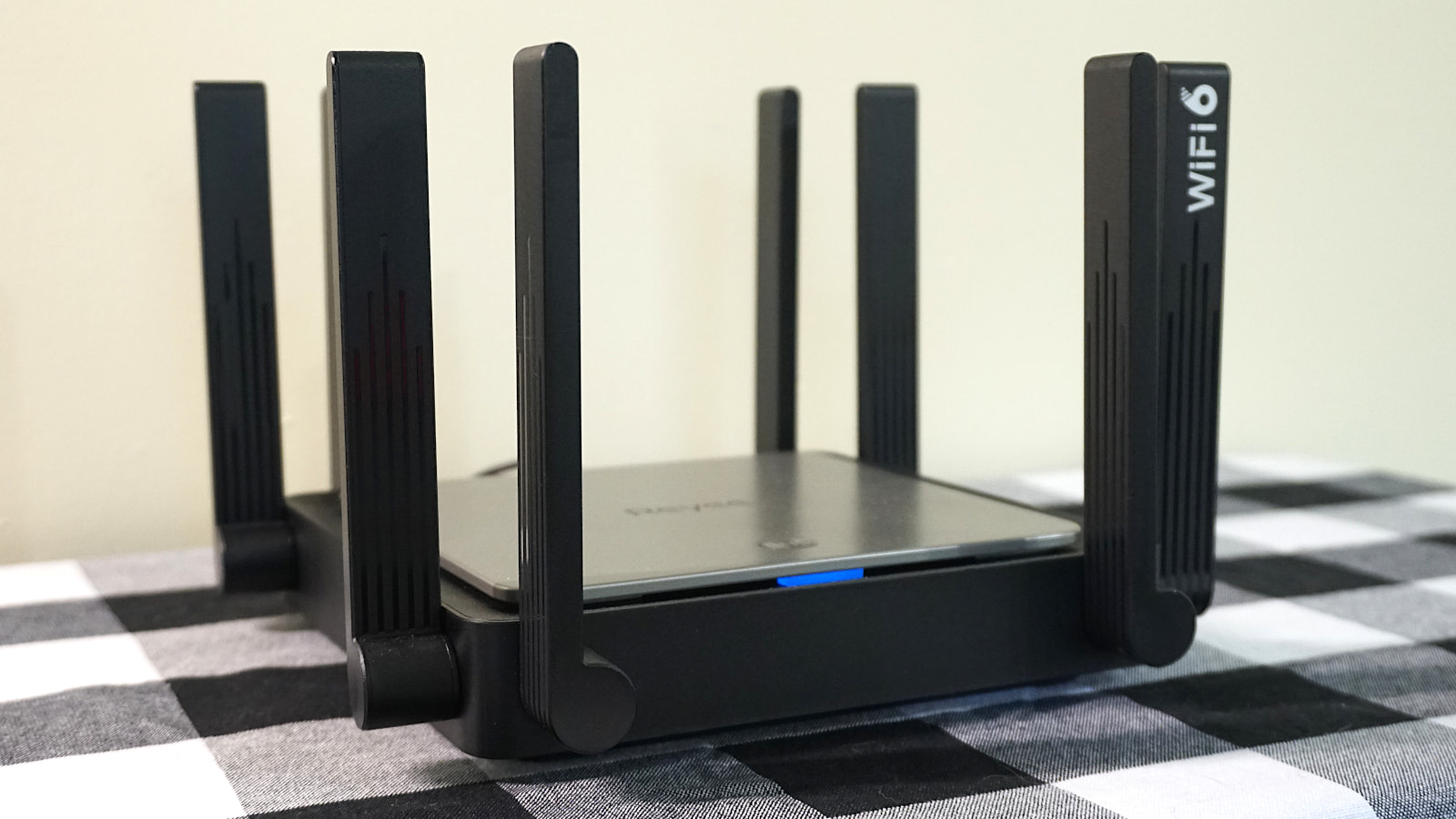
Best Business Wi-Fi Routers and Access Points in 2026
We tested over a dozen routers and access points to select the best for your business needs.
Read more
Best Business Internet Providers in 2026
Check out the best business internet providers for 2026 and find the perfect service for your company.
Read more
Business vs. Residential Internet: Which Should You Choose?
Explore key differences between business and residential internet to see which fits your needs.
Read more