For a positive viewing experience, streaming video needs fast internet. Fortunately, Hulu is one of the more forgiving services, recommending at least 16Mbps speeds to take advantage of everything the service has to offer.
Of course, there’s more to an internet connection than just download speed, but that’s a good place to start if you’re looking for the best internet connection for watching shows on Hulu.
Is your internet connection fast enough for Hulu?
Take our speed test to see if your connection is fast enough to get the most out of your viewing experience.
Download speed
000 Mbps
Upload speed
000 Mbps
Latency (ping)
00 ms
Jitter
00 ms
What download speed do I need to watch Hulu?
Hulu was one of the first big streaming platforms and is accessible through either its website or through its apps, which are available (and often pre-installed) on many smart TVs and other devices.
| Video Type | Recommended sustained speed |
|---|---|
| Hulu streaming library | 3Mbps |
| Live TV streams | 8Mbps |
| 4K content | 16Mbps |
All Hulu’s minimum recommended speeds are below the FCC’s threshold for broadband internet, which is currently 25Mbps. So anyone with a broadband connection should have more than enough speed to watch anything on the platform.
It’s worth noting that most streaming services recommend 25Mbps as the bare minimum speed for 4K content, so Hulu is a notable outlier. Although it is encouraging that Hulu is confident enough in its service to claim its subscribers can have a good 4K viewing experience at these lower speeds, we suggest giving yourself some wiggle room with a speed of at least 25Mbps.
This brings us to another important point that these recommendations are for a single device. If you stream on multiple devices simultaneously, you need enough total speed on your connection for each device. So if you’re on the couch watching Letterkenny in 4K while two other people are watching live shows in other rooms, you need a connection with download speeds of at least 32Mbps to watch without interruption.
Get low-latency fiber or cable for live content
One aspect of internet speed that people often don’t consider is latency, or the delay between your device and the remote server that causes lag. Latency has the biggest impact on anything happening in real time, such as online games or video chat. Latency can also be an issue when watching live TV, causing the stream to pause, skip, or buffer while you try to watch.
Fiber and cable connections usually offer the lowest latency for fans of live television. They’re also some of the most stable connections, which means you don’t have to worry about your bandwidth going up and down, potentially dropping below minimum requirements for smooth video playback.


How Much Internet Speed Do You Need?
Est. Time: 60 seconds
Answer 6 questions and get a personalized internet speed recommendation!
How many people in your household use the internet/WiFi on a daily basis?
How many devices in your home connect to the internet, including tablets, gaming consoles, and smart devices?
How many people in your household work from home?
What video quality do you use for streaming TV and movies?
How intensely does your household participate in online gaming?
Does your household download large files from the cloud or via the internet?

Best internet plans for Hulu
| Plan | Price* | Speed | Type | Order online |
|---|---|---|---|---|
| GFiber Core 1 Gig | $70/mo. Disclaimers | 1,000Mbps | Fiber | View Plans |
| Xfinity 300 Mbps | $45/mo. for 5 yrs. Disclaimers | 300Mbps | Cable | View Plans |
| AT&T Internet 300 | $55/mo. Disclaimers | 300Mbps | Fiber | |
| Spectrum Internet® 500 | $40/mo. for 1 yr. Disclaimers | 500Mbps (wireless speeds may vary) | Cable, fiber | View Plans |
* Offers and availability may vary by location and are subject to change.
A reliable, low-cost fiber connection is the best choice if you have that option in your area. GFiber is an excellent pick, though if the most intensive activity you do is watching Hulu, you can easily get by on an even cheaper fiber plan from a different provider like AT&T —or a hybrid fiber-coaxial plan like those from Xfinity and Spectrum.
With relatively low requirements, Hulu gives viewers a lot of flexibility to shop around for the best deals on home internet connections. While costs most likely are your main concern, you also want to avoid data caps, which video content can eat up quickly.

Shop around to find the best deals on high-speed internet in your area. Enter your zip code below to compare the best options available in your neighborhood.
Hulu viewers should avoid data caps
Data caps are unpopular in general, but they specifically pose problems if you use streaming services like Netflix and Hulu. Video uses more data than almost any other online activity, especially when watching in higher resolutions like 4K. It’s easy to lose track of how much data you have and run up huge overage charges when you’re burning through several megabytes every second.
The best way to avoid racking up additional charges on your monthly bill is to choose an internet plan that offers unlimited data. These unlimited plans are most common in wired connections like cable and fiber, though some wireless plans also offer unlimited data. In general, however, wireless plans usually have much lower data caps, so make sure you read the fine print before you sign up to a plan that doesn’t meet your needs.
If you don’t have any unlimited data plans available in your area, look for the plans with the highest data caps. Plans with over 1,000GB of data per month are usually workable, though you’d be surprised how fast you can burn through a terabyte of data with a couple of kids watching Bluey on repeat on their iPads.
Download Hulu shows to save on data
One way to get around data caps is to download shows onto your device rather than streaming them. Downloading uses roughly the same amount of data as streaming, but you only have to download a show once, after which you can watch it as much as you want without using any additional data. Streaming a show essentially downloads it again each time you turn it on, so this can be a good strategy for saving data if you have shows that you go back and watch over and over again.
You can also download shows while you’re out and about in an area with public Wi-Fi, which means you don’t have to use your data at all. Public Wi-Fi isn’t usually the fastest connection, so this works best if you’re going to be somewhere for a while, like working from a coffee shop or waiting at an airport. If you’re downloading to a phone, it’s also a good idea to double-check that you’re connected to Wi-Fi and not on your normal cellular connection, or you’ll just end up burning through your phone data, which defeats the whole purpose.
Unfortunately, downloading Hulu content is now restricted to Hulu’s No Ads plans, so those on the cheaper ad-supported plans don’t have this option. Of course, if you’re on an internet plan with restrictive data caps, it might be cheaper to upgrade your Hulu subscription, rather than paying for additional data every month.
How to watch Hulu in rural areas
Streaming video can be particularly challenging in remote areas. Rural internet providers often have low speeds and restrictive data caps—both of which are terrible for streaming services like Hulu.
If you’re looking for a rural internet plan that can handle Hulu and similar services, you probably want to look at wired plans like DSL first. Although not as fast as fiber or cable, DSL offers reliable connections, and most DSL providers offer speeds fast enough to meet Hulu’s minimum requirements.
If DSL isn’t an option in your area, 4G and 5G home internet plans are usually the next best option. Speeds are a bit more variable for these plans, but most providers offer speeds above 25Mbps, which should be plenty. But watch out for data caps, which quickly evaporate with any regular TV watching.
Satellite internet is the least desirable choice for watching video, but you can make it work if you have to. Starlink is by far the best choice, as its data plans are the least restrictive compared to the competition. HughesNet also offers “Bonus Zone” data in the middle of the night that doesn’t count against your normal data caps. If you have a Hulu subscription that allows you to download videos, downloading shows after 2 a.m. to watch the next day saves on data, though it doesn’t do much for your sleep schedule.
The bottom line: Hulu gives you a lot of flexibility in your internet plan
Hulu has reasonable bandwidth requirements compared to other streaming services, so you don’t need to shell out for the most cutting-edge internet plan just to watch your favorite shows. Data is still a big issue, so internet plans without data caps definitely win over limited ones. Otherwise, you don’t have much to worry about from Hulu, so you’re free to choose a plan that fits your budget and the other needs of your household.
Plans disclaimers
GFiber internet disclaimers
GFiber Internet Disclaimers
| Plan | Disclaimer |
|---|---|
Available in select markets only. Plus taxes and fees. Upload/download speed and device streaming claims are based on maximum wired speeds. Actual Internet speeds are not guaranteed and may vary based on factors such as hardware and software limitations, latency, packet loss, etc. | |
Actual internet, Wi-Fi speeds, and Wi-Fi coverage are not guaranteed and can vary based on factors such as home or business size and layout, construction materials, hardware and software limitations, latency, packet loss, etc. | |
Actual internet, Wi-Fi speeds, and Wi-Fi coverage are not guaranteed and can vary based on factors such as home or business size and layout, construction materials, hardware and software limitations, latency, packet loss, etc. | |
Actual internet, Wi-Fi speeds, and Wi-Fi coverage are not guaranteed and can vary based on factors such as home or business size and layout, construction materials, hardware and software limitations, latency, packet loss, etc. |
Xfinity internet disclaimers
Xfinity Internet Disclaimers
| Plan | Disclaimer |
|---|---|
300 Mbps | New Xfinity Internet customers. Limited to 300 Mbps internet. Requires both paperless billing and automatic payments with stored bank account (or additional $10/mo charge applies). Installation, taxes and fees, and other applicable charges extra, and subj. to change. Service limited to a single outlet. Internet: Actual speeds vary and are not guaranteed. For factors affecting speed visit www.xfinity.com/networkmanagement. |
500 Mbps | Internet price guaranteed for 5 years. Price includes $10/mo autopay and paperless discount. |
1 Gig | Internet price guaranteed for 5 years. Price includes $10/mo autopay and paperless discount. |
1.2 Gig | Internet price guaranteed for 5 years. Price includes $10/mo autopay and paperless discount. |
2 Gig | Internet price guaranteed for 5 years. Price includes $10/mo autopay and paperless discount. |
AT&T internet disclaimers
AT&T Internet Disclaimers
| Plan | Disclaimer |
|---|---|
AT&T Fiber Internet 300 | Price + taxes and fees for new customers in select markets after discounts w/elig Autopay & paperless bill. Discounts start w/in 3 bills. |
AT&T Fiber Internet 500 | Price + taxes and fees for new customers in select markets after discounts w/elig Autopay & paperless bill. Discounts start w/in 3 bills. |
AT&T Fiber Internet 1000 | Price + taxes and fees for new customers in select markets after discounts w/elig Autopay & paperless bill. Discounts start w/in 3 bills. |
AT&T Fiber Internet 5000 | Price + taxes and fees for new customers in select markets after discounts w/elig Autopay & paperless bill. Discounts start w/in 3 bills. Limited availability in select areas. Speeds based on wired connection. Actual speeds may vary. For 5 GIG, single device wired speed maximum 4.7Gbps. |
AT&T Internet Air | Includes $10 off with AutoPay and Paperless Bill |
Spectrum internet disclaimers
Spectrum Internet Disclaimers
| Plan | Disclaimer |
|---|---|
Limited-time offer; subject to change; new residential customers only (no Spectrum service in past 30 days). Standard rates apply after promo period or service change. Actual speeds (including wireless) vary and are not guaranteed. Activation fee additional; taxes may apply. Gig speeds require a compatible modem; see spectrum.net/modem for list. Terms and conditions apply, subject to change. Not available in all areas. Restrictions apply. Spectrum Internet® is powered by fiber and connected to the premises by coaxial lines. | |
Limited-time offer; subject to change; new residential customers only (no Spectrum service in past 30 days). Standard rates apply after promo period or service change. Actual speeds (including wireless) vary and are not guaranteed. Activation fee additional; taxes may apply. Gig speeds require a compatible modem; see spectrum.net/modem for list. Terms and conditions apply, subject to change. Not available in all areas. Restrictions apply. Spectrum Internet® is powered by fiber and connected to the premises by coaxial lines. | |
Limited-time offer; subject to change; new residential customers only (no Spectrum service in past 30 days). Standard rates apply after promo period or service change. Actual speeds (including wireless) vary and are not guaranteed. Activation fee additional; taxes may apply. Gig speeds require a compatible modem; see spectrum.net/modem for list. Terms and conditions apply, subject to change. Not available in all areas. Restrictions apply. Spectrum Internet® is powered by fiber and connected to the premises by coaxial lines. | |
Limited-time offer; subject to change; new residential customers only (no Spectrum service in past 30 days). Standard rates apply after promo period or service change. Actual speeds (including wireless) vary and are not guaranteed. Activation fee additional; taxes may apply. Gig speeds require a compatible modem; see spectrum.net/modem for list. Terms and conditions apply, subject to change. Not available in all areas. Restrictions apply. Spectrum Internet® is powered by fiber and connected to the premises by coaxial lines. | |
Limited-time offer; subject to change; new residential customers only (no Spectrum service in past 30 days). Standard rates apply after promo period or service change. Actual speeds (including wireless) vary and are not guaranteed. Activation fee additional; taxes may apply. Gig speeds require a compatible modem; see spectrum.net/modem for list. Terms and conditions apply, subject to change. Not available in all areas. Restrictions apply. Spectrum Internet® is powered by fiber and connected to the premises by coaxial lines. |
The amount of internet speed you need for Prime Video depends on the devices you use and how many of them access the service simultaneously. Some devices support 4K Ultra HD playback, while others are locked to HD content. We’ll help you decipher everything so you can get the best experience in streaming Prime Video.
Is your Wi-Fi fast enough?
Take our speed test to see if your internet is fast enough to support your Paramount+ needs.
Download speed
000 Mbps
Upload speed
000 Mbps
Latency (ping)
00 ms
Jitter
00 ms
Prime Video speed basics
You don’t need a lot of bandwidth to stream 4K Ultra HD content from Prime Video. We know this from watching our wired Xbox Series X game console use up to 18Mbps to stream M3GAN in 4K Ultra HD (2160p).
So, based on that number, if we have five consoles streaming the same movie simultaneously, they would only use 90Mbps. Double that number to give every streamer breathing room, and you still only use up 180Mbps.
Live streams are a different story. Amazon states you need a minimum download speed of 5MB per second for HD broadcasts, which converts to 40Mbps. That’s 200Mbps total if five people watch live content simultaneously—double that to 400Mbps for breathing room.
But let’s get real here, folks. The chances of five common household members streaming 4K content or watching live events simultaneously are slim at best. Plus, not every device supports 4K playback, which we’ll get to in a bit.
Here are your minimum speed needs for Prime Video
Amazon doesn’t list recommended minimum speeds for content playback. Instead, it provides multiple support articles listing platforms with specific resolution limits. But we also discovered they’re not quite on the mark, as Amazon says web browsers support HD content but we can clearly stream movies in Full HD.
That said, the best we can do is decipher Amazon’s video quality settings based on its stated resolution limits to get an idea of the speeds you need. The only minimum speed requirements we actually dug up are for live broadcasts.
| Prime Video feed | Minimum speed* | Recommended speed | Sign up online |
|---|---|---|---|
| 2160p video (4K UHD) | 18Mbps | 36Mbps | Get Prime Video |
| 1080p video (Full HD) | 15Mbps | 30Mbps | Get Prime Video |
| 720p video (HD) | 13Mbps | 26Mbps | Get Prime Video |
| 480p video (SD) | 6Mbps | 12Mbps | Get Prime Video |
| 720p live stream | 40Mbps | 80Mbps | Get Prime Video |
| 480p live stream | 8Mbps | 16Mbps | Get Prime Video |
Recommendations from the video settings and Prime Video’s speed requirements page.
How Much Internet Speed Do You Need?
Est. Time: 60 seconds
Answer 6 questions and get a personalized internet speed recommendation!
How many people in your household use the internet/WiFi on a daily basis?
How many devices in your home connect to the internet, including tablets, gaming consoles, and smart devices?
How many people in your household work from home?
What video quality do you use for streaming TV and movies?
How intensely does your household participate in online gaming?
Does your household download large files from the cloud or via the internet?
Our experts say: The same principles apply to all video streaming apps
Even if you have individual Wi-Fi speed needs for other platforms like Paramount+, Max, Apple TV, or YouTube TV, the same rules apply. You want ample speeds to support a variety of users and tasks, and you want to be thrifty with pricing and video resolution on slower Wi-Fi.
What do you need to stream 4K Ultra HD content on Prime Video?
First, let’s start with your internet speed. Based on our tests, a 4K video in Best mode streams at up to 18Mbps. If you have five people streaming simultaneously, that’s 90Mbps. Double that number to 180Mbps just in case.
But there’s more to the equation than choosing a fast internet plan. Web browsers don’t support Prime Video’s 4K playback. The Prime Video App for Windows, MacOS, iPhone, and several other platforms doesn’t support 4K video playback either. It’s all a little confusing honestly, even more so with Amazon’s Best/Better/Good Video Quality modes thrown into the mix.
Also, you need a Wi-Fi router that can handle multiple devices simultaneously. If it can only download chunks of video to a few devices at a time, imagine the traffic jam if you have five. Generally, local congestion and Wi-Fi range are your big streaming bottleneck, not your internet plan. We tested and listed the best Wi-Fi routers for streaming to give you some ideas.
Get fiber internet or a fast cable plan for the best 4K performance
We already suggested you should have at least 200Mbps if five people stream Prime Video in 4K simultaneously. Of course, it wouldn’t hurt to go a little higher, especially if someone needs to download a 10GB file quickly.
Fiber internet is the best connection you can get, but you don’t need gigabit internet—sorry, but that’s just overkill for most homes. Honestly, as a homeowner with five streamers and gamers in the house, 500Mbps internet fits the bill just right.
Best internet plans for 4K video streaming
| Plan | Price | Speed | Type | Order online |
|---|---|---|---|---|
| AT&T Internet 500 | $65.00/mo.* | Up to 500Mbps | Fiber | |
| Frontier Fiber 500 | $29.99/mo.† | Up to 500Mbps | Fiber | View Plan |
| Optimum 500 Mbps Fiber Internet | $40/mo.‡ | Up to 500Mbps | Fiber | View Plan |
| Spectrum Internet Premier | $40/mo.§ for 1 yr. | Up to 500Mbps (wireless speeds may vary) | Cable, fiber | View Plan |
| Verizon Fios 500 Mbps | $74.99/mo. w/ Auto Pay | Up to 500Mbps | Fiber | View Plan |
| Xfinity 500 Mbps | $60/mo.# for 5 yrs. | Up to 500Mbps | Cable | View Plan |
Read disclaimers.
Find fast internet for smooth streaming
Need a killer connection to binge The Boys on Prime Video? Search your zip code below to see what internet providers and plans are available in your area.
What if you have slow internet? Never fear—you can still watch Prime Video
Five people streaming 4K content simultaneously use around 90Mbps. That’s not a lot, but we like to double that bandwidth just in case. You can feasibly get by with a 200Mbps plan, but you may want to factor in other things that will use your total bandwidth, like silent device downloads and so on.
Best internet plans for budget Prime Video users
| Plan | Price | Speed | Type | View on provider’s site |
|---|---|---|---|---|
| AT&T Internet 300 | $55.00/mo.* | Up to 300Mbps | Fiber | |
| Frontier Fiber 200 | $29.99/mo.† | Up to 200Mbps | Fiber | View Plan |
| Optimum 300 Mbps Internet | $30/mo.‡ | Up to 300Mbps | Cable, fiber | View Plan |
| Spectrum Internet Advantage | $30/mo.§ for 12 mos. | Up to 100Mbps (wireless speeds may vary) | Cable, fiber | View Plan |
| Verizon Fios 300 Mbps | $49.99/mo. w/ Auto Pay | Up to 300Mbps | Fiber | View Plan |
| Xfinity 300 Mbps | $45/mo.# for 5 yrs. | Up to 300Mbps | Cable | View Plan |
Read disclaimers.
Can you stream Prime Video with satellite internet?
Yes, you can stream Prime Video over a satellite internet connection, but do so sparingly since data is limited. Prime Video automatically adjusts the resolution and quality in most cases based on your device, screen, and connection, but you can manually adjust the video quality in a web browser and on some platforms.
Pro tip—Get more streaming plan recommendations
Take a look at our guide to the best internet for streaming for a breakdown of top Wi-Fi plans to meet your streaming needs.
Here’s how to adjust the video resolution for Prime Video
Despite what you may read elsewhere, you can’t adjust the video resolution. Switching the stream between the four quality modes doesn’t convert a Full HD video into an HD one. You’re definitely not going to squeeze out 4K streaming by selecting the Best video quality mode on a device or screen that only supports Full HD. Nope. Not happening.
For example, when we tested M3GAN playback on an iPhone (which has a weird 2,778 x 1,284 screen resolution), the movie remained in HD resolution no matter what visual quality setting we used—even when we disabled the Use Highest Quality on Wi-Fi feature. But we did notice a clear drop in the stream’s framerate and fidelity.
In other words, the Best mode produced a sharp image and fluid motions, while the Data Saver mode was less sharp and movements were less smooth. But you’ll never see a higher video resolution until Amazon updates the Prime Video App with support for Full HD video playback or better.
In most cases, you can’t manually adjust the video quality anyway (despite what other guides tell you). We noticed a few exceptions, however, in desktop web browsers and the apps for iPhone and iPad. We presume Amazon is quietly removing the video quality setting on devices that don’t use cellular data.
In a web browser:
Step 1: Start the video.
Step 2: Move the mouse cursor over the video to activate the overlay.
Step 3: Click on the Gear icon.
Step 4: Select Best, Better, or Good on the drop-down Video Quality menu.
In the Prime Video App:
Step 1: Tap on your profile icon.
Step 2: Tap on the gear icon.
Step 3: Tap on Streaming & Downloading.
Step 4: Tap on Streaming Quality.
Step 5: Select Best, Better, Good, or Data Saver*.
* The Data Saver mode presumably only appears on devices that use cellular data, like smartphones and 5G-capable tablets.
Choose the best Prime Video plan
You can get Prime Video two ways: for free if you subscribe to Amazon Prime, or as a standalone streaming service if you don’t.
| Plan | Price | # of simultaneous streams | # of simultaneous downloads | Video formats | Sign up online |
|---|---|---|---|---|---|
| Amazon Prime | $14.99/mo. or $139.00/yr. | 4K Ultra HD | Get Amazon Prime | ||
| Prime Video | $8.99/mo. | 4K Ultra HD | Get Prime Video |
The chart is based on streaming and downloading content from one account. Here are the major differences between the full Standard and Mobile plans:
| Standard Edition | Mobile Edition | |
|---|---|---|
| # of devices: | ||
| Platforms: |
Mobile Edition subscribers can upgrade to the full Standard Edition plan to stream and download more content. Currently, Prime Video Mobile Edition is not offered in the US.
FAQ about Prime Video
What's the best router for streaming Prime Video?
I have the best internet and equipment. Why is Prime Video so choppy?
What does the Video Quality setting do?
What's the maximum resolution I can get on my device?
How much data does Prime Video use?
What free channels do you get with Prime Video?
What premium channels can you add to Prime Video?
Disclaimers
Best internet plans for 4K streaming (return to table)
Offers and availability may vary by location and are subject to change.
* Price after $5/mo Autopay & Paperless bill discount (w/in 2 bills). Plus taxes & fees. Monthly State Cost Recovery Charge in TX, OH, NV applies. One time install chrg may apply. Ltd. avail/areas. Call or go to www.fiber.att.com to see if you qualify.
† w/ Auto Pay & Paperless Bill. Max wired speed 500/500 Mbps. Wi-Fi, actual & average speeds vary. One-time charges apply.
‡ w/ $10/mo. elig. Auto Pay & Paperless Bill. Wired connection. WiFi speeds may vary. Not available in all areas. HBO Max Basic With Ads plan auto renews after 6 mo. at the then prevailing rate (currently $10.99/mo.). Pricing sbjct to change. Terms apply.
§ Limited time offer; subject to change; new residential customers only (no Spectrum services within past 30 days) and in good standing with Spectrum. Taxes and fees extra in select states. SPECTRUM INTERNET: Standard rates apply after promo period. Additional charge for installation. Speeds based on wired connection. Actual speeds (including wireless) vary and are not guaranteed. Gig capable modem required for Gig speed. For a list of Gig capable modems, visit spectrum.net/modem. Services subject to all applicable service terms and conditions, subject to change. Not available in all areas. Restrictions apply.
# Internet price guaranteed for 5 years. Price includes $10/mo autopay and paperless discount.
Best internet plans for budget users (return to table)
Offers and availability may vary by location and are subject to change.
* Price after $5/mo Autopay & Paperless bill discount (w/in 2 bills). Plus taxes & fees. Monthly State Cost Recovery Charge in TX, OH, NV applies. One time install chrg may apply. Ltd. avail/areas. Call or go to www.fiber.att.com to see if you qualify.
† w/ Auto Pay & Paperless Bill. Max wired speed 200/200 Mbps. Wi-Fi, actual & average speeds vary. One-time charges apply.
‡ w/ $10/mo. elig. Auto Pay & Paperless Bill. Wired connection. WiFi speeds may vary. Not available in all areas.
§ Offer based on eligibility requirements. Standard rates apply after promo period. Additional charge for installation. Speeds based on wired connection. Actual speeds (including wireless) vary and are not guaranteed. Services subject to all applicable service terms and conditions, subject to change. Not available in all areas. Restrictions apply.
# Internet price guaranteed for 5 years. Price includes $10/mo autopay and paperless discount.
The 2026 NFL season kicks off with a historic international matchup between the San Francisco 49ers and the Los Angeles Rams at the Melbourne Cricket Ground on Sept. 10, 2026. But what’s the best way to find out whether your favorite team still has what it takes to dominate the gridiron?
Watch in real time, of course! Tune in on NBC, the streaming service Peacock, or the NFL+ app.
Need fast internet so you can stream in high-def?
Enter your zip for a list of local options.
To catch every NFL game all season, you need a mix of live TV and streaming services. The premier (and priciest) experience is YouTube TV with the NFL Sunday Ticket add-on, plus separate subscriptions to Amazon Prime Video for most Thursday Night Football (TNF) games and Netflix, which has picked up its own marquee TNF-window games (the Week 1 opener, a Thanksgiving Eve game, and the Christmas Day doubleheader). You’ll pay out the nose either way.
If you don’t need every single game, we recommend Paramount+ for CBS’s Sunday afternoon games and Peacock for NBC’s Sunday Night Football, plus Peacock’s own exclusive Week 17 game. Tubi sometimes streams a couple of FOX NFL games for free each year—the Thanksgiving Day game and the Super Bowl in years FOX has the rights—but it isn’t a way to watch everything FOX airs.
For Monday Night Football, you need ESPN’s app through an ESPN Unlimited subscription. ESPN’s standalone streaming service, launched in 2025, bundles ESPN+ with the full ESPN network lineup. ESPN+ alone no longer gets you MNF.
You can also watch on NFL+. The basic plan runs about $8 per month (or $40 for the year) for live local and primetime games plus NFL Network, but it’s mobile/tablet-only. You can’t watch or cast live on TV.
NFL 2026 broadcast partners
Netflix is a major 2026 broadcast partner, specifically for marquee holiday games like Thanksgiving Eve and Christmas Day. Here are some key dates to keep in mind for the 2026 season:
- 10 in Melbourne: San Francisco 49ers vs. Los Angeles Rams on Netflix
- 22 in Mexico City: San Francisco 49ers vs. Minnesota Vikings on NBC
- Thanksgiving Eve (Nov. 25): Green Bay Packers vs. Los Angeles Rams on Netflix
- Early Thanksgiving Game (Nov. 26): Chicago Bears vs. Detroit Lions on CBS
- Afternoon Thanksgiving Game (Nov. 26): Philadelphia Eagles vs. Dallas Cowboys on FOX
- Nightcap Thanksgiving Game (Nov. 26): Kansas City Chiefs vs. Buffalo Bills on NBC (Highmark Stadium)
- Black Friday Game (Nov. 27): Denver Broncos vs. Pittsburgh Steelers on Amazon Prime Video
- Christmas Morning (Dec. 25): Green Bay Packers vs. Chicago Bears on Netflix
- Christmas Day (Dec. 25): Buffalo Bills vs. Denver Broncos on Netflix
- Christmas Night (Dec. 25): Los Angeles Rams vs. Seattle Seahawks on FOX
Which TV channels carry the NFL?
If you’re a football fan signing up for a cable TV or live TV streaming service, look for the following channels:
- ABC
- CBS
- ESPN
- FOX
- NBC
- NFL Network
- NFL RedZone
- Nickelodeon
What equipment do you need to stream the NFL season?
You need a smart TV or a streaming device like a Chromecast, Roku, Amazon Fire TV, or Apple TV, which support the 2026 streaming platforms that broadcast live NFL games. Of course, you also need an active subscription to your preferred streamer or a cable TV plan that gives you channels like CBS and ESPN.
Tips for optimizing your NFL streaming experience
If you’re looking forward to the next big game, the last thing you want is a spotty Wi-Fi connection buffering two seconds before a touchdown or lagging behind your neighbor’s stream.
Here are some troubleshooting measures you can take to ensure your Wi-Fi doesn’t make a fumble.
Move your router
If your router’s shoved into a back closet or cabinet, the signal may have trouble making a connection with your TV. If you can, move the router to a centralized place.
Better yet, use an Ethernet cable to hardwire your smart TV or streaming device directly to your router or invest in a mesh networking kit.
Replace your router
An out-of-date router may suffer from slow speeds and occasional restarts. Vamp up your home network with a router featuring the Wi-Fi 6E or Wi-Fi 7 standard. See our best routers guide for recommendations.
Test your speeds
A speed test is the stethoscope of your home network, letting you know whether you’re getting the bandwidth you’re paying for from your internet provider. Run speed tests regularly (and download our speed test app!) to make sure your Wi-Fi isn’t under the weather by game time.
Can your connection keep up? Find out now.
We recommend a connection with at least 100Mbps of speed if you’re watching in 4K, but you can get away with less if you’re only streaming on one device or watching in standard definition.

Run speed tests regularly (and download our speed test app!) to make sure your Wi-Fi isn’t under the weather by game time.


Limit downloads
Try to schedule big downloads like game updates or work files for times other than the big game, or any time everyone in the house is trying to stream at once. Catching that game-clinching field goal is the real priority here!
To get paramount performance out of Paramount+, you need decent internet speeds.
Aim to get download speeds of at least 25Mbps per person in your household to ensure smooth streaming when you cue up your favorite movie or TV series on Paramount network’s streaming platform. So if you have four people in your household, an internet speed of 100Mbps is right on the money.
Internet speed is crucial to a good viewing experience, because streams with video resolution of 1080p and 4K take up a lot of bandwidth. Still, everyone’s speed needs are different. Take a look at our guide below to get the full look at the best internet for Paramount+, including the best internet providers to pick from.
Is your Wi-Fi fast enough?
Take our speed test to see if your internet is fast enough to support your Paramount+ needs.
Download speed
000 Mbps
Upload speed
000 Mbps
Latency (ping)
00 ms
Jitter
00 ms
Paramount+ speed basics
Although you’re technically capable of watching Paramount+ with speeds as low as 4Mbps, you want to factor in the totality of your internet usage when deciding the speeds you need to enjoy all the content on the Paramount network.
Many people tend to surf online with their phones or tablets while watching stuff on their smart TVs, and many households are home to multiple users who may all log into the same streaming service on separate devices. (Think: You’re enjoying The Lost City while your kids have PAW Patrol on in the next room.)
To get the best performance out of Paramount+, you should aim to set aside a chunk of bandwidth per every user in your household. If you have 100Mbps for a family of four, that gives you 25Mbps each—that’s adequate speed to cover all your streaming (and gaming and studying and Zooming) needs. Consider bulking up these speeds to 50Mbps per person or more if you also regularly do bandwidth-guzzling things like hosting Twitch livestreams or uploading influencer content to YouTube.
Three golden rules for Paramount+ streaming:
- The more users and devices you have, the more internet speed you need.
- For 4K streaming, reduce buffering with a fiber-optic or cable internet plan.
- For slow connections and hotspots, save money and reduce buffering with the Ad-Free or With Ads plan.
Here are your minimum speed needs for Paramount+
According to Paramount+, you need at least 4Mbps speeds to stream content on its platform. That’s enough to support a shoddy 480p stream on one device at a time, but the reality is you need significantly faster speeds if you want to stream on multiple devices at once or do other things online while streaming. You also need faster speeds to support 1080p or 4K video quality.
| Paramount+ plan | Required speed* | Recommended speed for optimal streaming | Sign up online |
|---|---|---|---|
| Paramount+ Essential (with ads) | 4Mbps | 100Mbps | Sign Up |
| Paramount+ Premium (no ads) | 4Mbps | 100Mbps | Sign Up |
Recommendations from Paramount+’s speed requirements page. Cancel at any time. Free trials are for new subscribers only.
Our experts say: The same principles apply to all video streaming apps
Even if you have individual Wi-Fi speed needs for other platforms like Netflix, HBO Max, Apple TV, or YouTube TV, the same rules apply. You want ample speeds to support a variety of users and tasks, and you want to be thrifty with pricing and video resolution on slower Wi-Fi.
What speed do you need to stream movies in 4K, Dolby Vision, or HDR10?
You need much faster speeds than normal to stream video in 4K, Dolby Vision, and HDR10 video formats. In most cases, Paramount’s purported minimum of 4Mbps simply doesn’t cut it. Instead we recommend at least 50Mbps per person, if not more.
Paramount+ offers select TV shows and movies in these three premium video formats. They give you much better video resolution, greater depth, striking contrast, and a carnival of color—vastly improving your viewing experience for the high-flying fighter jet scenes in Top Gun: Maverick and the fast-paced excitement of Paramount’s live sports broadcasts.
But you’re going to need premium internet to match premium video quality—and to do that we recommend getting a fiber or fast cable internet plan.
Get fiber internet or a fast cable plan for the best 4K performance
Fiber internet gives you incredibly fast speeds over a reliable connection. Not only is it ideal for streaming, but it’s also excellent for gaming and working from home.
Even a basic fiber plan gives you ample bandwidth to cover a range of activities—including streaming on multiple devices at once. Best of all, fiber plans often cost as much as (or even cheaper than) cable and DSL plans with slower speeds. That means you’ll have more money to set aside for streaming subscriptions and an upper-tier Paramount+ plan.
If you can’t get fiber internet, cable internet comes in second place as an ideal pick. Cable providers have come a long way in improving their network speeds, and a cable internet plan gives you excellent download power for all the streaming you like.
Best internet plans for 4K video streaming
| Plan | Price | Speed | Order online |
|---|---|---|---|
| AT&T Internet 300 | $55.00/mo.* | 300Mbps | |
| Verizon Fios 500 Mbps | $74.99/mo.† w/ Auto Pay | 500Mbps | View Plan |
| GFiber Core 1 Gig | $70.00/mo.‡ | 1,000Mbps | View Plan |
| Xfinity 1 Gig | $70/mo.§ for 5 yrs. | 1,000Mbps | View Plan |
Read disclaimers.
Find fast internet for smooth streaming
Need a killer Wi-Fi plan to binge Yellowjackets? Run a search with your zip code below to see what internet providers and plans are available in your area.
What if you have slow internet? Never fear—you can still watch Paramount+
Paramount+ still works even if you have slow internet—you just don’t get the same video quality as you would on a top-speed Wi-Fi plan.
When you’re watching content on Paramount+, the platform automatically adjusts the video resolution based on the capabilities of your home internet. A cheaper plan means lower speeds; to compensate, your app adjusts to a lower video resolution, either HD (720p) or even SD (480p). The video still can look good that way, but you’re not as likely to enjoy full 4K or Dolby Vision capabilities, which may put a damper on visually-striking movies.
Best internet plans for budget Paramount+ users
| Plan | Price | Speed | Order online |
|---|---|---|---|
| Astound 300Mbps Internet | $20.00/mo.* | 300Mbps | View Plans |
| Xfinity 300 Gbps | $45/mo† | 300Mbps | View Plans |
| T-Mobile Rely Internet | $50/mo.‡ AutoPay, plus taxes & fees. | 133–415Mbps | View Plans |
| Verizon 5G Home | $50/mo.§ w/ Auto Pay | Up to 300Mbps | View Plans |
‡ Guarantee exclusions like taxes and fees apply.
§ Price per month with Auto Pay & without select 5G mobile plans. Consumer data usage is subject to the usage restrictions set forth in Verizon’s terms of service; visit: https://www.verizon.com/support/customer-agreement/ for more information about 5G Home and LTE Home Internet or https://www.verizon.com/about/terms-conditions/verizon-customer-agreement for Fios internet.
Read disclaimers.
Can you stream Paramount+ with satellite internet?
You can definitely stream Paramount+ when you have a satellite internet plan, but you won’t get the same video quality as usual. You also need to be mindful of how much data you use. Satellite internet comes with strict data limits, and you can easily burn through a month’s supply of data in a couple days if you’re not careful.
Check with your satellite internet provider to see how much data you get and use the Armstrong data calculator to budget out how much you can watch on Paramount+ every day before burning through your data limit.
Pro tip—Get more streaming plan recommendations
Take a look at our guide to the best internet for streaming for a breakdown of top Wi-Fi plans to meet your streaming needs.
Here’s how to adjust the video resolution on Paramount+ app downloads
There is no way to manually adjust Paramount+ video quality on a browser or TV app, but you can manually switch between different resolutions for video downloads on Paramount’s cell phone app. Here’s how.
Step 1: Open the Paramount+ app.
Step 2: On the Paramount+ homepage, tap the More menu button in the bottom-right corner of the screen.
Step 3: Tap Settings and scroll to Download Video Quality.
Step 4: Choose between High Definition or Standard Definition.
Choose the best Paramount+ plan
Parmount+ has two plans to choose from: Essential and with Premium. The Essential plan costs only $8.99 a month, but it comes with ads. The Premium plan costs $13.99 a month, doesn’t have ads, and, of course, includes a ton of extra content.
The Paramount+ Premium plan is the best deal overall, since it comes with an extra service while costing a bit less than the premium plans of a lot of other streamers. But stick with Essential if you want to save some money—a few ads while watching movies is a small price to pay for great value.
FAQ
Does Paramount+ have live TV?
What is the difference between Paramount and Paramount+?
What's the best router for streaming Paramount+?
I have the best internet and equipment. Why is Paramount+ so choppy?
What is the best VPN for using Paramount+?
Disclaimers
Best internet plans for 4K streaming (return to table)
Data effective 03/20/2025. Offers and availability may vary by location and are subject to change.
* Price after $5/mo Autopay & Paperless bill discount (w/in 2 bills). Plus taxes & fees. Monthly State Cost Recovery Charge in TX, OH, NV applies. One time install chrg may apply. Ltd. avail/areas.
† Consumer data usage is subject to the usage restrictions set forth in Verizon’s terms of service; visit: https://www.verizon.com/support/customer-agreement/ for more information about 5G Home and LTE Home Internet or https://www.verizon.com/about/terms-conditions/verizon-customer-agreement for Fios internet.>
‡ Plus taxes and fees. Upload/download speed and device streaming claims are based on maximum wired speeds. Actual Internet speeds are not guaranteed and may vary based on factors such as hardware and software limitations, latency, packet loss, etc.
§ For 12 months, no term contract. Restrictions apply. Autopay w/ stored bank account and paperless billing req’d. Taxes and fees extra and subj. to change. Reduced speeds after 30 GB of usage/line. Data thresholds may vary.
Best internet plans for budget users (return to table)
Data effective 08/13/2025. Offers and availability may vary by location and are subject to change.
* 24 Month Internet Pricing. No contract required. Equipment priced separately. Includes $5 discount for 12 months w/ ebill & autopay. Experienced speeds may vary. New residential customers only.
† For 12 months, no term contract. Restrictions apply. Autopay w/ stored bank account and paperless billing req’d. Taxes and fees extra and subj. to change. Reduced speeds after 30 GB of usage/line. Data thresholds may vary.
‡ Guarantee exclusions like taxes and fees apply.
§ Consumer data usage is subject to the usage restrictions set forth in Verizon’s terms of service; visit: https://www.verizon.com/support/customer-agreement/ for more information about 5G Home and LTE Home Internet or https://www.verizon.com/about/terms-conditions/verizon-customer-agreement for Fios internet.
You don’t need the fastest internet speeds to watch all the premium content on HBO Max. But it sure helps to have fast speeds.
Aim to get an internet plan that gives you 25Mbps per person if you plan to sign up for the streamer’s Ad-Free or Ultimate plans. HBO Max is an expanded version of HBO, loaded with content from HBO, Warner Bros., and Discovery. Technically, you can get away with streaming movies and TV with slower speeds than that. But 25Mbps ensures you get an über-smooth connection and avoid buffering issues when you’re binging House of the Dragon or running HGTV’s home makeover shows on a constant loop.
Keep reading for our rundown of how to get the best streaming performance possible on HBO Max.
Is your Wi-Fi fast enough?
Take our speed test to see if your internet is fast enough to support your HBO Max streaming needs.
Download speed
000 Mbps
Upload speed
000 Mbps
Latency (ping)
00 ms
Jitter
00 ms
HBO Max speed basics
You need Wi-Fi speeds fast enough to cover not just your streaming needs, but also those of everyone else in your household. The more people streaming video on their own devices, the faster speeds you need to accommodate all these hungry content viewers. By the way, the same principles apply when you use other streaming services as well, including Netflix, Apple TV+, and many digital live TV options.
If you have an Ultimate account, you also need speeds that can handle the massive bandwidth demands of 4K resolution. That said, you can get away with much slower speeds if you’re signed up for one of HBO Max’s lower-tier plans, such as the Ad-Free plan, which delivers max resolution of 1080p. You can also adjust the video settings in your HBO Max app to stream content at a lower resolution.
Three golden rules for HBO Max streaming:
- The more users and devices you have, the more internet speed you need.
- For 4K streaming, reduce buffering with a fiber-optic or cable internet plan.
- For slow connections and hotspots, save money and reduce buffering with the Ad-Free or With Ads plan.
Here are your minimum speed needs for HBO Max
HBO Max officially recommends minimum speeds of just 5Mbps for its two basic plans, one with ads and the other ad-free. It recommends minimum speeds of 15Mbps for its Ultimate plan, which gives you the ability to stream video in 4K resolution.
You can probably steam video on your smart TV with those speeds, but those are lowball estimates. If you really had internet that slow, you’d likely experience a lot of buffering and slowdowns in 1080p resolution, and you would have to revert to a much lower video quality for a better viewing experience. Streaming 4K with 15Mbps would also be a struggle, since 4K takes up exponentially more bandwidth and data than 1080p does.
| HBO Max plan | Max video resolution | Minimum required speed* | Minimum recommended speed for optimal HBO Max streaming | Sign up online |
|---|---|---|---|---|
| HBO Max Basic with Ads | Full HD 1080p | 5Mbps | 100Mbps | Sign Up |
| HBO Max Standard (No Ads) | Full HD 1080p | 5Mbps | 100Mbps | Sign Up |
| HBO Max Premium (No Ads) | 4K UHD, Dolby Atmos on some titles | 15Mbps | 200Mbps | Sign Up |
Recommendations from HBO Max’s speed requirements page.
How Much Internet Speed Do You Need?
Est. Time: 60 seconds
Answer 6 questions and get a personalized internet speed recommendation!
How many people in your household use the internet/WiFi on a daily basis?
How many devices in your home connect to the internet, including tablets, gaming consoles, and smart devices?
How many people in your household work from home?
What video quality do you use for streaming TV and movies?
How intensely does your household participate in online gaming?
Does your household download large files from the cloud or via the internet?
Our experts say: Get 5Mbps per person at minimum for a better viewing experience
Although we don’t recommend speeds this slow generally, we also acknowledge that some users are on a budget and can’t afford the fastest Wi-Fi plans around. Still, these minimum speeds are much more accurate if you think of them as a per person recommendation.
For example, if you have three people in your household, ideally you would have at least 15Mbps speeds. If you have four people, the ideal would be 20Mbps speeds. That’s still not enough to truly accommodate 1080p viewing, but it’s solid enough to let you stream with a lower video quality.
What do you need to stream Ultra HD 4K movies on HBO Max?
You should aim to get 200Mbps speeds or faster if you want to stream in Ultra HD 4K resolution.
Having a speed of 200Mbps allots 25Mbps per person (or streaming device) for up to eight people in your household. You can accommodate that many users without fear of endless buffering.
Ultra HD 4K resolution gives you stunning detail in every frame, making for awesome viewing as you settle in for a visual extravaganza like Avatar: The Way of Water. But that quality comes at a steep price, as 4K puts a much larger burden on your bandwidth and data usage.
Here’s a breakdown of the facts:
- 4K needs 15Mbps minimum speeds for a single user to stream HBO Max smoothly—3X faster than what you need to stream video in Full HD 1080p resolution.
- Watching a two-hour film in 4K consumes a whopping 16GB per hour—4X the amount of data you use streaming video in HD.
Lots of people stream movies on HBO Max while playing on their phones or tablets at the same time. There are also plenty of households where multiple people regularly stream content on separate devices in different rooms. You want to make sure you have enough bandwidth to cover all those bases.
Get fiber or cable internet for the best 4K performance
Fiber internet is the fastest and most reliable internet you can get, so it’s also the best for streaming. Outages and slowdowns are much less common on fiber connections, and even baseline fiber plans typically come with excellent minimum speeds of 200Mbps or faster. You don’t ever have to worry about a buffering blowout ruining your Sex and the City marathon when you have enough bandwidth and then some.
Most cable internet plans work excellently for streaming, too. Although cable gets slower upload speeds than fiber, download speeds are often just as fast—ensuring smooth viewing even on less expensive cable internet plans.
Best internet plans for 4K HBO Max streaming
| Plan | Price | Speed | Order online |
|---|---|---|---|
| AT&T Internet 300 | $55.00/mo.* | 300Mbps | |
| Verizon Fios 500 Mbps | $74.99/mo.† w/ Auto Pay | 500Mbps | View Plan |
| GFiber Core 1 Gig | $70.00/mo.‡ | 1,000Mbps | View Plan |
| Xfinity 1 Gig | $70/mo.§ for 5 yrs. | 1,000Mbps | View Plan |
Read disclaimers.
Find fast internet for smooth streaming
Need a killer Wi-Fi plan to binge The Sopranos? Run a search with your zip code below to see what internet providers and plans are available in your area.
What if you have slow internet? Worry not—you can still enjoy HBO Max
Although we usually recommend fast speeds, you don’t need to be the fastest to enjoy HBO Max. You can have a budget cable or 5G internet plan (or even satellite internet) and still catch up on Succession or Euphoria. But you need to adjust your expectations.
HBO Max’s With Ads and Ad-Free plans both give you video resolution of up to 1080p, but depending on your speed, the platform may adjust to a lower resolution—either HD (720p) or SD (420p). Lower video quality doesn’t look as good, but it comes with some advantages: it saves you a ton of bandwidth and doesn’t put as much of a dent in your data.
Can you manually change your video settings on HBO Max?
HBO Max doesn’t have an option to manually adjust video settings on its app. The platform automatically sets the resolution, giving you the best-quality image available based on your network bandwidth and internet speeds.
Pro tip: Avoid HBO Max’s Ultimate plan with budget internet
HBO Max’s Ultimate plan comes with some distinct advantages—you can stream on twice as many devices as once and download as many as 100 videos to watch on the HBO Max app.
It also gives you 4K video quality. But it’s hard to stream video with that high of a resolution on an internet plan with speeds under 100Mbps. You have a higher chance of dealing with slowdowns and buffering issues, and you might not be able to enjoy streaming on multiple devices at once.
If you want Ultimate for the best video quality possible, consider investing in a faster internet plan. That, or stick to HBO’s basic ad-free plan to save your mun-muns.
Best internet plans for budget HBO Max users
| Plan | Price | Speed | Order online |
|---|---|---|---|
| Astound 300Mbps Internet | $20.00/mo.* | 300Mbps | View Plans |
| Xfinity 300 Mbps | $45/mo.† for 5 yrs. | 300Mbps | View Plans |
| T-Mobile Rely Internet | $50/mo.‡ w/ AutoPay, plus taxes & fees. | 133–415Mbps | View Plans |
| Verizon 5G Home | $50/mo.§ w/ Auto Pay | Up to 300Mbps | View Plans |
| Verizon 5G Home with select 5G mobile plans | $35/mo. § w/ Auto Pay | Up to 300Mbps | View Plans |
Read disclaimers.
Can you stream HBO Max with satellite internet?
Yes, you can stream HBO Max with satellite internet. However, satellite has much slower speeds and extremely limited data compared to other types of internet, so you may experience buffering issues on HBO Max more often.
Pro tip—Get more streaming plan recommendations
Take a look at our guide to the best internet for streaming for a breakdown of top Wi-Fi plans to meet your streaming needs.
Choose the best HBO Max plan
HBO Max offers a few plan options. The basic Ad-Free plan is the best for most people because it lets users stream on two devices at once and offers excellent 1080p video quality without requiring you to break the bank.
The Ultimate Ad Free plan is the better option for big households and streaming buffs. You get access to 4K resolution, and you can stream on up to four devices at once—twice as many as you get with any other plan.
HBO Max plan options
| Plan | Price* | # of screens you can watch simultaneously | # of downloads you can watch on mobile app | Max video resolution | Sign up online |
|---|---|---|---|---|---|
| HBO Max Basic with Ads | $10.99/mo. | 2 devices at once | None | Full HD 1080p | Sign Up |
| HBO Max Standard (No Ads) | $18.49/mo. | 2 devices at once | 30 | Full HD 1080p | Sign Up |
| HBO Max Premium (No Ads) | $22.99/mo. | 4 devices at once | 100 | 4K UHD, Dolby Atmos on some titles | Sign Up |
*No cancellation or contract fees
FAQ
What's the best router for streaming HBO Max?
I have the best internet and equipment. Why is HBO Max so choppy?
What is the best VPN for using HBO Max?
What is HBO Go?
Disclaimers
Best internet plans for 4K HBO Max streaming (return to table)
Data effective 03/20/2025. Offers and availability may vary by location and are subject to change.
*Price after $5/mo Autopay & Paperless bill discount (w/in 2 bills). Plus taxes & fees. Monthly State Cost Recovery Charge in TX, OH, NV applies. One time install chrg may apply. Ltd. avail/areas.
‡Plus taxes and fees. Upload/download speed and device streaming claims are based on maximum wired speeds. Actual Internet speeds are not guaranteed and may vary based on factors such as hardware and software limitations, latency, packet loss, etc.
† Consumer data usage is subject to the usage restrictions set forth in Verizon’s terms of service; visit: https://www.verizon.com/support/customer-agreement/ for more information about 5G Home and LTE Home Internet or https://www.verizon.com/about/terms-conditions/verizon-customer-agreement for Fios internet.
§ Internet price guaranteed for 5 years. Price includes $10/mo autopay and paperless discount.
Best internet plans for budget HBO Max users (return to table)
Data effective 08/21/2025. Offers and availability may vary by location and are subject to change.
* 24 Month Internet Pricing. No contract required. Equipment priced separately. Includes $5 discount for 12 months w/ ebill & autopay. Experienced speeds may vary. New residential customers only.
† Internet price guaranteed for 5 years. Price includes $10/mo autopay and paperless discount.
‡ Guarantee exclusions like taxes and fees apply.
§ Price per month with Auto Pay & without select 5G mobile plans. Consumer data usage is subject to the usage restrictions set forth in Verizon’s terms of service; visit: https://www.verizon.com/support/customer-agreement/ for more information about 5G Home and LTE Home Internet or https://www.verizon.com/about/terms-conditions/verizon-customer-agreement for Fios internet.
Netflix and Amazon Prime Video are two of the biggest names in streaming—but they don’t scratch the same itch. Netflix has all the can’t-miss shows and top-tier custom content, but Amazon has a huge library and a tiny-but-mighty list of originals worth the watch.
We’ll compare pricing, features, and content for Netflix and Amazon Prime Video so you can decide whether to get both, either, or neither.
Got streaming speeds? Find out with this quick test.
Our experts recommend an internet connection of at least 100Mbps if you want to stream on multiple devices at the same time. Select the button below to test your connection quality in seconds.
You can also use our mobile app to get the real truth about your streaming speeds before you hit play.
On this page:
Pricing | Content libraries | Originals | Streaming | User interface | Our take | FAQ
On this page:
Pricing
Amazon Prime Video: Free shipping with streaming on the side
Amazon built its brand selling books, then branched into both video streaming and selling other products. Today, the business is highly regarded for its massive shopping database and fast or free shipping options, but it still offers video streaming on its Amazon Prime Video platform. Customers can choose between Prime Video, Prime Monthly, and Prime Yearly, plus upgrades.
- Prime Video: This standalone subscription offers only Prime’s video streaming features, and it costs $8.99 per month.
- Prime Monthly: This gets you access to all of Amazon Prime, including video streaming and fast, free shipping. It costs $14.99 per month.
- Prime Yearly: This is the same as Prime Monthly but billed on an annual basis instead. It’s $139 per year, which is just over $40 cheaper than Prime Monthly over the course of twelve months.
- Ad removal fee: This $2.99 monthly upcharge lets Amazon Prime Video customers opt out of most ads on the platform, bringing total monthly costs to $17.98 or total annual costs to $174.88.
How to add streaming services to your Amazon Prime Membership
Just like old-fashioned cable TV subscriptions, Amazon lets you add channels to your Amazon Prime Video membership. However, they aren’t bundles. You pay a set price for each, but it’s billed with your Amazon subscription. Lucky for you, you can try most channels free for seven days.
Here’s a list of top content add-ons and prices:
- HBO Max: $10.99–$22.99/mo. (Basic with Ads: $10.99; Standard Ad-Free: $18.49; Ultimate 4K Ad-Free: $22.99)
- Fox One: $19.99/mo. (Includes live local Fox stations, NFL, MLB, and Fox News)
- Paramount+: $8.99–$13.99/mo. (Essential with Ads: $8.99; with SHOWTIME: $13.99)
- Apple TV+: $12.99/mo.
- MGM+: $7.99/mo.
- STARZ: $10.99/mo.
- AMC+: $6.99–$9.99/mo. (Monthly with Ads: $6.99; Ad-Free: $9.99)
- NBA League Pass: $16.99–$24.99/mo. (Single-team options from $13.99/mo).
- Discovery+: $5.99–$9.99/mo.
Netflix: The best shows, games, and movies in streaming
Netflix offers different membership tiers based on video quality and whether you see ads.
- Netflix Standard with Ads: This $8.99 monthly subscription includes HD streaming on two devices at a time, but there is no way to stream in 4K, no downloads, and no option to add extra members.
- Netflix Standard: This $19.99 monthly subscription is similar to the ads-based subscription, but there are no ads, you can download on up to two devices, and you can add members outside your household for an additional $7.99 per month with ads or $9.99 per month without ads.
- Netflix Premium: This $26.99 monthly subscription comes with all the perks of HD streaming, plus the option to stream on four devices at once and download on up to six devices. There are no ads, and you can add up to two extra members for $7.99 each per month with ads or $9.99 each per month without ads.
You can’t get free trials of Netflix anymore, but no contracts or long-term or commitments are required. You can log in to cancel your subscription any time you want and your viewing privileges will remain through the end of the month.
 The winner on price: Amazon Prime Video
Although Netflix’s pricing is competitive for how much content you can stream, the additional features and benefits you get with Amazon Prime make it a no-brainer in the value department. Video streaming coupled with free two-day shipping on anything under the sun is a convenience that’s hard to beat.
Content availability
Amazon Prime: Huge library, hit-or-miss quality
Amazon has the widest selection of available shows and movies among all three top streamers, and the library is growing all the time. Its best features are total size and depth—think of it like a digital warehouse. But not everything in the warehouse is compelling or super high quality. You’ll find a huge selection of movies, in particular, but a lot of it is B-grade (or worse).

Below is a snapshot of top titles, trending shows, and movies on Amazon Prime Video:
- Fallout
- The Night Manager
- Beast Games
- Steal
- Alien: Romulus
- Spring Fever
- The Wrecking Crew
- The Girlfriend
- Kung Fu Panda 4
- NBA on Prime (specifically Thursday night doubleheaders)
Netflix: Great content, but it doesn’t last
Netflix, on the other hand, has a smaller library but more that you’ll actually want to watch. It also has a sweet algorithm, meaning its interface is better at showing you options you’ll enjoy.
Netflix has a lot more original content than Amazon Prime, but shows often get canceled after a few seasons or leave the platform when licensing deals expire. It can be frustrating to have great shows canceled without a satisfying ending—it happened to us recently with Supernatural. Crying shame!

Below is a snapshot of top titles, trending shows, and movies on Netflix:
- His & Hers
- People We Meet on Vacation
- Stranger Things
- Run Away
- One Last Adventure: The Making of Stranger Things 5
- WWE Raw (Live)
- Death by Lightning
- Prodigal Son
- 11.22.63
- Emily in Paris
The winner on back catalog: Netflix
Netflix has a smaller library than its competitors these days, but it’s high-quality. In other words, Amazon Prime has all the old, weird stuff, but Netflix has the shows everyone’s talking about.
Original content
Amazon Originals: You might discover some up-and-coming favorites
Amazon has greatly expanded its original content lately, and several shows have become both fan and critic favorites.

These original shows are fan favorites right now:
- Fallout: An excellent adaptation of an equally excellent video game franchise, this series follows the journey of a woman who leaves her fallout shelter to find her father in a world full of radiation and brutality.
- The Boys: This subversive series follows a group of men who take on superheroes, “Supes,” who aren’t really heroes. It’s an R-rated take on the genre, full of political satire and social commentary.
- Fleabag: This dry, witty show follows a grieving woman in London who frequently breaks the fourth wall to speak directly to the audience. Both hilarious and heartbreaking, it boasts a rare 100% rating on Rotten Tomatoes.
Netflix Originals: The streaming MVP, year after year

Netflix was one of the first streaming providers to produce its own original content, and it remains one of the best choices for great shows you won’t find anywhere else.
Check out these originals to make sure you can keep up at the office water cooler:
- Stranger Things: This masterpiece of sci-fi horror leans into 1980s nostalgia with a group of kids who uncover a government conspiracy and a parallel world called the Upside Down.
- Beef: This Emmy Award-winning series starts with parking lot road rage and devolves into a life-destroying obsession. Critics call it dark comedy at its finest.
- Squid Game: This South Korean survival drama criticizes modern capitalism through the stories of 456 deeply indebted players who risk their lives in hopes of winning a cash prize.
The winner on original content: Netflix
No doubt about it, Netflix offers the better selection of originals. Amazon Prime Video has some up-and-coming picks to watch, especially if you love big explosions and massive fantasy. But Netflix offers genre-defining classics like Stranger Things and Squid Game, and absolutely dominates in reality TV with hits like Love is Blind.
Streaming quality
Amazon Prime: You don’t have to pay extra for high-quality video
Amazon Prime offers both 1080p Full HD and 4K Ultra HD resolutions for streaming, as well as HDR video support. Unlike Netflix, both 1080p and 4K are included in the same package price. In other words, you don’t have to pay extra for 4K video, which is great. However, Amazon has started gating Dolby Vision and Dolby Atmos, making them available only with the $2.99 monthly add-on for ad-free viewing.
What devices does Amazon Prime Video work with?
Amazon Prime works with most streaming players, like Apple TV, Roku, and Amazon Fire TV, as well as most web browsers. There are also apps available for Android and iOS, so you can stream on the go.
Netflix: High-quality streaming with optional 4K
Netflix offers 1080p and 4K Ultra HD video quality, but there’s a catch: you have to pay extra for 4K. Netflix’s various service tiers are primarily differentiated by three things: how many devices you can watch Netflix on at once (called simultaneous streams), what maximum resolution you can stream in, and whether or not you see ads.
- Standard with Ads: $8.99 per month (up to 1080p Full HD)
- Standard: $19.99 per month (up to 1080p Full HD)
- Premium: $26.99 per month (up to 4K Ultra HD)
When it comes to audio, Netflix slightly one-ups Amazon Prime Video by offering up to Dolby Atmos on the Premium tier. Rather than sending sound to specific speakers, Dolby Atmos follows sounds freely in 3D space (including overhead).
What devices does Netflix work with?
Netflix has been around for a while, and it works on pretty much any smart device you can think of at this point. The company provides an extremely thorough page detailing all the devices you can stream on if you want to check it out, but rest assured that if you have a device and want to watch Netflix on it, there’s a really good chance you can.
The winner on streaming quality: Netflix
Netflix has been in the streaming game for a while, and its experience shows. Although getting a higher-quality picture is easier with Amazon Prime, Netflix has the versatility and accessibility that’s enough to keep millions of streamers satisfied. Even still, it’s a close call.
Want to stream in 4K? You need fast internet.
We recommend download speeds of at least 100Mbps per second to enjoy ultra high-definition streaming in 4K. If your kid or roommate are streaming at the same time, you need speeds that are even faster.
Enter your zip code below to shop local internet providers.
Features and user interface
Amazon Prime: Messy interface, but a fabulous X-Ray feature
Amazon Prime Video features a familiar interface with side-scrolling categories for content, but it mixes content you can watch for free with subscription content that costs extra. Finding what you want to watch can be frustrating.
It’s not our favorite interface, but we love X-Ray, Amazon Prime’s technology that lets you see AI-powered recaps, the names of the actors currently on screen, the song playing in the background, and more. It’s not available on Apple TVs, but you’ll find it on virtually every other streaming device you use to watch Amazon Prime Video.
Netflix: An excellent algorithm with fast-loading technology
We really like the Netflix recommendation engine. Its algorithm is great at presenting shows and movies you’ll enjoy. You get personalized artwork and “taste clusters” instead of traditional genres, and the tech pre-loads shows it expects you to watch so they play in seconds.
Netflix also offers an impressive seventeen languages for viewing and subtitles, though not every title is available in every language.
The winner on usability: Netflix
Netflix is easier to use. However, this one is really more of a tie. The services work similarly and offer nearly identical features, but Netflix is better at showing you things you’ll like. It also shows you only options available on your current tier, and that’s just good corporate citizenship.
Our take: You probably already have Amazon Prime, but serious streamers need Netflix too
Most households these days have an Amazon Prime subscription already, so our recommendation is to keep the streaming service in mind next time you sit down for a binge. You might be surprised at what you find, especially when you’re on the hunt for older movies or something off the beaten path.
But to keep up with the social zeitgeist, you also need Netflix. It has the highest-quality library and the best interface we’ve seen. It kicked off the age of streaming, and it’s still impossible to beat.
Get home internet that keeps up
Tired of the buffering blues? The problem may be your internet connection. Enter your zip code below to see if it’s time to switch.
FAQs about Netflix and Amazon Prime Video
How do I cancel my Amazon Prime Video subscription?
Netflix is the original streaming king, but can it keep Hulu from stealing the crown?
Jump to: Packages and Pricing | Shows and Movies | Devices | Resolution | Simultaneous Streaming | Pros and Cons | FAQ
-
Better original content
 Plans start at $8.99/mo.
- Award winning original content
- Multiple pricing tiers
- No live TV
-
Better cable TV alternative
 Prices start at $11.99/mo.
- Large library of licensed content
- Unlimited DVR
- Higher subscription costs
The Bottom Line
Netflix offers top-tier original shows and movies and a frequently updated library, making it perfect for viewers who like on-demand entertainment and lots of it. But it has no live TV and the revolving door of popular shows might prove frustrating for some.
Hulu shines in the TV department, with rapidly updated episodes and a live TV option. It’s affordably priced and also offers its own stellar original programs. The downside is frequent commercials that can sour the experience, and you have to pay to get rid of them.
|
|
|
Price $8.99–$26.99/mo. | Price $11.99–$18.99/mo. |
Live Channel Count N/A | Live Channel Count 90+ |
On-Demand Content Yes | On-Demand Content Yes |
Resolution/Quality Up to 4K Ultra HD | Resolution/Quality Up to 1080p Full HD |
Simultaneous Streaming Up to 4 with Premium plan | Simultaneous Streaming Up to 2 included (unlimited with add-on) |
Cloud DVR Storage N/A | Cloud DVR Storage Unlimited |
| Get Netflix | Get Hulu |
|
| Price $8.99–$26.99/mo. |
|
| Price $11.99–$18.99/mo. |
|
| Live Channel Count N/A |
|
| Live Channel Count 90+ |
|
| On-Demand Content Yes |
|
| On-Demand Content Yes |
|
| Resolution/Quality Up to 4K Ultra HD |
|
| Resolution/Quality Up to 1080p Full HD |
|
| Simultaneous Streaming Up to 4 with Premium plan |
|
| Simultaneous Streaming Up to 2 included (unlimited with add-on) |
|
| Cloud DVR Storage N/A |
|
| Cloud DVR Storage Unlimited |
|
| Get Netflix |
|
| Get Hulu |
Packages and Pricing
Free Trials
Hulu offers a 30-day free trial so you can take it for a test drive before committing. Netflix used to offer a 30-day trial, but now no longer offers a free trial for any length of time.
- Netflix No free trial offered
- Hulu offers a one-month free trial on its ad free plan, and a one-week free trial on the Hulu + Live TV service.
The best part about streaming providers is that contracts just aren’t much of a thing. Even when you do subscribe, you can always change your mind. You have to commit just one month at a time.
Netflix Packages
| Pricing | Resolution | Multiple Streams | Livestreaming | ||
|---|---|---|---|---|---|
| Standard with Ads | $8.99/mo. | SD only | 2 | No | |
| Standard | $19.99/mo. | Up to 1080p HD | 2 | No | |
| Premium | $26.99/mo. | Up to 4K Ultra HD | 6 | No | |
| Standard w/extra member slots | $27.98/mo.* | Up to 1080p HD | 2 + 1 | No | |
| Premium w/extra member slots | $36.98/mo.† | Up to 4K Ultra HD | 6 + 2 | No |
| Standard with Ads | |
| Pricing | $8.99/mo. |
| Resolution | SD only |
| Multiple Streams | 2 |
| Livestreaming | No |
| Standard | |
| Pricing | $19.99/mo. |
| Resolution | Up to 1080p HD |
| Multiple Streams | 2 |
| Livestreaming | No |
| Premium | |
| Pricing | $26.99/mo. |
| Resolution | Up to 4K Ultra HD |
| Multiple Streams | 6 |
| Livestreaming | No |
| Standard w/extra member slots | |
| Pricing | $27.98/mo.* |
| Resolution | Up to 1080p HD |
| Multiple Streams | 2 + 1 |
| Livestreaming | No |
| Premium w/extra member slots | |
| Pricing | $36.98/mo.† |
| Resolution | Up to 4K Ultra HD |
| Multiple Streams | 6 + 2 |
| Livestreaming | No |
Data effective 04/01/2026. Not all offers available in all areas. Prices subject to change.
*Compatible device and internet connection required. Offers and availability may vary by location and are subject to change. Extra members have their own account and password, but their membership is paid for by the person who invited them to share their Netflix account.
† Compatible device and internet connection required. Offers and availability may vary by location and are subject to change. Extra members have their own account and password, but their membership is paid for by the person who invited them to share their Netflix account.
Netflix offers three service tiers. All three get you access to the full Netflix library. The differences are in watching with ads and how many devices you can use simultaneously.
You can stream on just two devices with both Standard plans. However, the Standard plan isn’t ad supported and you can add on additional members to stream for an extra cost.
The Standard tiers both have streaming in Full HD resolution while Premium brings the resolution up to Ultra HD and the simultaneous devices up to four, so it could be good for large families who want a sweet picture.
Hulu Packages
| Pricing | Resolution | Multiple Streams | Livestreaming | ||
|---|---|---|---|---|---|
| Hulu | $11.99/mo. | Up to 1080p | 2 | No | |
| Hulu (No Ads) | $18.99/mo. | Up to 1080p | 2 | No | |
| Hulu + Live TV Only | $88.99/mo. | Up to 1080p | 2 | Yes | |
| Hulu (No Ads) + Live TV, Disney+ (No Ads) and ESPN Select (With Ads) | $89.99/month | Up to 1080p | 2 | Yes |
| Hulu | |
| Pricing | $11.99/mo. |
| Resolution | Up to 1080p |
| Multiple Streams | 2 |
| Livestreaming | No |
| Hulu (No Ads) | |
| Pricing | $18.99/mo. |
| Resolution | Up to 1080p |
| Multiple Streams | 2 |
| Livestreaming | No |
| Hulu + Live TV Only | |
| Pricing | $88.99/mo. |
| Resolution | Up to 1080p |
| Multiple Streams | 2 |
| Livestreaming | Yes |
| Hulu (No Ads) + Live TV, Disney+ (No Ads) and ESPN Select (With Ads) | |
| Pricing | $89.99/month |
| Resolution | Up to 1080p |
| Multiple Streams | 2 |
| Livestreaming | Yes |
Data effective 10/27/2025. Offers and availability subject to change.
The basic Hulu plan gets you the on-demand streaming library for just $11.99, which is a great price. There’s a catch though: you’ll get commercials. If you’re not a fan of commercials, you can remove them for an additional $7.00 per month with Hulu (No Ads). Spoiler alert: it’s totally worth it.
Hulu + Live TV is also a sweet deal since it now come with both Disney+ (with ads) and ESPN Select (with ads). And if you don’t like commercial breaks every few minutes, upgrade to the plan with no ads.
You should also know that, unlike Netflix, all Hulu plans stream in HD (1080p), so you can take full advantage of your TV’s high resolution with a smooth picture. Many Hulu Originals can be watched in 4K Ultra HD.
TV Shows and Movies
Original Series
Netflix and Hulu doubled down on original programming, and both services crank out hits like nobody’s business. No matter what type of shows you’re into, you shouldn’t have any problem finding some great originals to watch with both providers.
Netflix Originals
Netflix pours millions of dollars into creating Netflix Originals, and it’s resulted in some of the most popular shows in the business:
- Bridgerton
- Stranger Things
- The Haunting of Hill House
- Black Mirror
- Orange Is the New Black
- Making a Murderer
Hulu Originals
Although not as prolific as Netflix, Hulu also has several majorly successful originals:
- The Great
- The Handmaid’s Tale
- Only Murders in the Building
- Difficult People
- Harlots
- Future Man
On-Demand Shows and Movies
Netflix and Hulu both started out with just on-demand content, and it’s still the majority of what’s available on each service—even with the rise of live streaming TV. But there are some key differences between how each provider curates its library.
Netflix
Netflix started with movies (remember getting the DVDs in the mail?), but it’s since shifted its focus to TV, acquiring popular series like Arrested Development and creating original phenomenons like Stranger Things. It’s become so common that “streaming” is practically synonymous with “Netflixing”. Unlike Hulu, Netflix releases entire seasons of a show at once rather than trickling them out episode by episode over the course of several months. For binge-watchers, this is great. But for those of us that like watching the newest stuff? Not so much.
Hulu
Hulu’s on-demand streaming library is often more current than the Netflix library. Many shows are available to stream just a day or two after they air—you’ll have to wait longer than that on Netflix. Hulu also keeps shows around longer than Netflix (remember what we said about it being a revolving door?).
Another major difference between Hulu and Netflix is that Hulu shows commercials during on-demand shows. Even if you upgrade your plan to get rid of commercials, they’ll still show on some programs because of streaming rights.
Live Channels on Netflix vs. Hulu
Netflix doesn’t offer live TV and hasn’t announced any plans to do so. Meanwhile, Hulu does have a live streaming service called Hulu + Live TV. The service costs $89.99 per month and includes all the regular Hulu on-demand programs as well.
The base Hulu + Live TV service includes 60+ channels, and there are a handful of add-ons that can increase this to about 70 total channels. Here are some of the options:
- Entertainment add-on with channels like DIY Network and Science
- Español add-on with Spanish-language channels
- Premium channel add-ons like HBO and Paramount+ Premium
Hulu + Live TV also has the best local channel selection of any live streaming provider. It’s free to try for a week, so it’s worth taking it for a spin even if you’re not ready to cut the cord quite yet.
Compatible Devices
| Netflix | Hulu | |
|---|---|---|
| Amazon Fire TV | ✓ | ✓ |
| Roku | ✓ | ✓* |
| Apple TV | ✓ | ✓* |
| Chromecast | ✓ | ✓ |
| Roku TV | ✓ | ✓ |
| PlayStation 3 | ✓ | ✓* |
| PlayStation 4 | ✓ | ✓* |
| Android Mobile | ✓ | ✓ |
| Android TV | ✓ | ✓* |
| iPhone | ✓ | ✓ |
| iPad | ✓ | ✓ |
*Hulu is only available on select models of Android TV, Roku, Samsung TV, Apple TV, and LG TV. Live TV is not supported on PlayStation 3 and 4.
Netflix is available on basically any device you want to watch it on, whether it’s a PC, smart TV, or even your PlayStation. This makes it one of the most versatile streaming options available.
Because they all have different interfaces, streaming devices have a big impact on the experience. We like Apple TV and Amazon Fire TV best.
Apple TV has a large catalog of apps and gives you access to the iTunes Store for music and movie purchases. Amazon Fire TV works seamlessly with Alexa for voice control, and you can grab the Fire TV Stick for a device that’s easy to take to a friend’s house or on vacation. It also works well with Amazon Prime Video (not much of a surprise there).
Cloud DVR
You don’t need a DVR for on-demand shows on Netflix. You can just download episodes for long flights, road trips, or any other time you don’t have a good Wi-Fi connection—no DVR required. Select Netflix TV shows and movies are available to download to iPhones, iPads, Android devices, and PCs running Windows 10. Hulu reportedly has plans to launch a similar feature, but it hasn’t been released yet.
Hulu + Live TV is a different story—they offer a cloud DVR for this service. It records live TV programs to watch later and your subscription comes with an Unlimited amount of storage.
Resolution/Quality
| Resolution | |
|---|---|
| Netflix | Up to 4K Ultra HD |
| Hulu | Up to 1080p Full HD |
Although Netflix offers some 4K entertainment, you have to choose the Premium plan to get it. Before you choose Premium for the 4K support, make sure your favorite shows are actually available at that resolution—not all programming is supported. Hulu offers HD streaming on all its plans, and while it’s only 1080p, that’s plenty for most users.
Recommended Internet Speed
Netflix recommends the following internet speeds for best results:
- Standard Definition (SD): 3 Mbps per user
- High Definition (HD): 5 Mbps per user
- 4K Resolution: 25 Mbps per user
And here are Hulu’s internet speed recommendations:
- Hulu: 3 Mbps per user
- Hulu + Live TV: 8 Mbps per user
Simultaneous Streams
Netflix lets you stream on up to four devices at once, depending on the plan you choose:
- Standard (with ads): 2 device
- Standard: 2 devices
- Premium: 4 devices
Hulu lets you stream on two devices at once with the base plans, and this can be upgraded to unlimited devices on your home network with a $14.99 add-on. But even with that add-on, you’ll be limited to three simultaneous streams on devices outside your home.
Pros and Cons of Netflix vs. Hulu
Pros
-
- Multiple pricing tiers
- Outstanding original shows and movies
- 4K streaming
Cons
-
- No live TV
- Frequent library changes
Pros
-
- Excellent live TV package
- Bundle options with Disney+ and ESPN+
- Great local channel selection
Cons
-
- Costs more to remove ads
- No 4K Ultra HD options
Have your Netflix and Hulu too.
Each of these services is so close to streaming perfection—but not quite. What’s a binge-watcher to do? Well, if you’re like us, you’ll end up with both. Since the on-demand prices are so reasonable, there’s no reason you can’t have your cake and eat it too.
Which provider is your favorite? Let us know in the comments below.
FAQ about Netflix and Hulu
Are there any shows on Hulu that aren’t on Netflix?
Yes. Netflix tends to cycle through programs frequently, so there are several popular shows that you’ll find only on Hulu:
- Seinfeld
- South Park
- Rick and Morty
- It’s Always Sunny in Philadelphia
And of course, you can only get Hulu Originals on Hulu.
Does Hulu have movies?
Hulu does have movies! Most people know it as a TV service, but Hulu offers some serious cinematic classics:
- Aquaman
- Jumanji: Welcome to the Jungle
- Magic Mike
- The Shawshank Redemption
- Ghost World
Check out its current movie library to get the full list of what’s available.
Does Netflix have live TV?
Netflix doesn’t have live TV, and we’re not aware if it has any plans to offer live TV in the future. If you want live TV, go with Hulu + Live TV, YouTube TV, Philo, or Sling TV. They’ll hook you up.
Curious about other streaming services? Check out our streaming guides.
Get faster internet so you can take full advantage of your new streaming service. Find the best packages and prices in your area.
-
Better for kids
 Prices start at $11.99/mo.
- Family-friendly favorites
- Bundle opportunity with Hulu and ESPN
- 4K and multiple streams included
- Smaller content library
-
Better for content variety
Plans start at $8.99/mo.
- Huge library of rotating content
- Noteworthy originals
- Month-long trial period
- 4K and multiple screens availabe only with upgrade
Data effective 04/01/2026. Not all offers available in all areas. Prices subject to change.
Bottom line
Both Disney+ and Netflix are top-tier streaming services, but if you have to choose only one, you should stick with Netflix for now. It costs more, but it also offers a significantly larger content library and a wider variety of movies and TV shows.
Of course, it depends on what you want to watch. If your kids are demanding a Frozen marathon, you’ll need that Disney+ subscription. And Disney+ is still fairly new—it will probably only get better from here.
Free trials
Take your streaming service for a test drive. Disney+ offers a 7-day free trial, and Netflix lets you watch for 30 days before you see a charge.
You do have to give billing information to get the free trial, but if you’re stuck choosing between the two (or if you’re interested in only one particular movie or show), you can check things out for free. Just remember to cancel before the first bill.
Disney+ and Netflix vs. the competition
| Disney+ | Netflix | Hulu | Amazon Prime Video | |
|---|---|---|---|---|
| Price | $11.99/–$18.99/mo. | $8.99–$26.99/mo. | $11.99–$18.99/mo. | $14.99/mo. |
| Resolution | Up to 4K | Up to 4K with Premium | Up to 4K | Up to 4K |
| Simultaneous streams allowed | 4 | 4 with Premium | 2 | 3 |
| User profiles | 7 | 5 | 6 | 1 |
| Downloads for offline viewing | Unlimited for up to 10 devices | 100 downloads per device for up to 4 devices | 25 downloads on up to 5 devices | 15–25 downloads on up to 2 devices |
| Start your free trialof Disney+ | Start your free trialof Netflix | Start your free trialof Hulu | Start your free trialof Amazon Prime |
| Price | |
| Disney+ | $11.99/–$18.99/mo. |
| Netflix | $8.99–$26.99/mo. |
| Hulu | $11.99–$18.99/mo. |
| Amazon Prime Video | $14.99/mo. |
| Resolution | |
| Disney+ | Up to 4K |
| Netflix | Up to 4K with Premium |
| Hulu | Up to 4K |
| Amazon Prime Video | Up to 4K |
| Simultaneous streams allowed | |
| Disney+ | 4 |
| Netflix | 4 with Premium |
| Hulu | 2 |
| Amazon Prime Video | 3 |
| User profiles | |
| Disney+ | 7 |
| Netflix | 5 |
| Hulu | 6 |
| Amazon Prime Video | 1 |
| Downloads for offline viewing | |
| Disney+ | Unlimited for up to 10 devices |
| Netflix | 100 downloads per device for up to 4 devices |
| Hulu | 25 downloads on up to 5 devices |
| Amazon Prime Video | 15–25 downloads on up to 2 devices |
| Disney+ | Start your free trialof Disney+ |
| Netflix | Start your free trialof Netflix |
| Hulu | Start your free trialof Hulu |
| Amazon Prime Video | Start your free trialof Amazon Prime |
Data effective 04/01/2026. Not all offers available in all areas. Prices subject to change.
Disney+ and Netflix packages
Disney+ is simply cheaper than Netflix, and it lets you stream in 4K and on up to four screens without upgrading. To get that with Netflix, you’d need Premium, which costs $84 more per year than Basic and $36 more per year than Standard.
Disney+ plans and prices
| Package | Price | Resolution | Simultaneous streams |
|---|---|---|---|
| Disney+ | $11.99/mo. | Up to 4K | Up to 7 |
| Disney+ | $18.99/mo. or $189.99 annual | Up to 4K | Up to 7 |
| Disney+, Hulu (with ads) | $12.99/mo. | Up to 4K | Up to 7 |
| Disney+, Hulu | $19.99/mo. | Up to 4K | Up to 7 |
| Disney+, Hulu, and ESPN Select (with ads) | $35.99/mo. | Up to 4K | Up to 7 |
| Disney+, Hulu, and ESPN Select | $44.99/mo. | Up to 4K | Up to 7 |
| Package | Disney+ |
| Price | $11.99/mo. |
| Resolution | Up to 4K |
| Simultaneous streams | Up to 7 |
| Package | Disney+ |
| Price | $18.99/mo. or $189.99 annual |
| Resolution | Up to 4K |
| Simultaneous streams | Up to 7 |
| Package | Disney+, Hulu (with ads) |
| Price | $12.99/mo. |
| Resolution | Up to 4K |
| Simultaneous streams | Up to 7 |
| Package | Disney+, Hulu |
| Price | $19.99/mo. |
| Resolution | Up to 4K |
| Simultaneous streams | Up to 7 |
| Package | Disney+, Hulu, and ESPN Select (with ads) |
| Price | $35.99/mo. |
| Resolution | Up to 4K |
| Simultaneous streams | Up to 7 |
| Package | Disney+, Hulu, and ESPN Select |
| Price | $44.99/mo. |
| Resolution | Up to 4K |
| Simultaneous streams | Up to 7 |
Data effective 10/24/2025. Not all offers available in all areas. Prices subject to change.
Disney+ offers packages with different bundling options with Hulu and ESPN+. You can also choose between watching with ads or for a few extra dollars more you can watch without ads. This is similar to Netflix which also has tiers of service.
Disney+ Premium is pretty inexpensive, and you get a nice discount if you pay for a full year instead of paying monthly. Prepaying for a full year saves you a little more than a dollar every month, for a total savings of $31.89 over the course of a year.
You can “upgrade” Disney+ (with ads) by bundling it with Hulu and ESPN+ for an additional $10 per month. That’s less than the cost of a Premium Netflix package, and it gives you a much broader range of content than Disney+ alone.
Netflix plans and prices
| Package | Price | Resolution | Simultaneous streams |
|---|---|---|---|
| Standard with ads | $8.99/mo. | SD | 1 |
| Standard | $19.99/mo. | Up to HD (1080p) | Up to 2 |
| Premium | $26.99/mo. | Up to UHD (4K) | Up to 6 |
| Standard w/extra member slot | $27.98/mo.* | Up to HD (1080p) | Up to 2 + 1 |
| Premium we/extra member slot | $36.98/mo.† | Up to UHD (4K) | Up to 6 + 2 |
| Package | Standard with ads |
| Price | $8.99/mo. |
| Resolution | SD |
| Simultaneous streams | 1 |
| Package | Standard |
| Price | $19.99/mo. |
| Resolution | Up to HD (1080p) |
| Simultaneous streams | Up to 2 |
| Package | Premium |
| Price | $26.99/mo. |
| Resolution | Up to UHD (4K) |
| Simultaneous streams | Up to 6 |
| Package | Standard w/extra member slot |
| Price | $27.98/mo.* |
| Resolution | Up to HD (1080p) |
| Simultaneous streams | Up to 2 + 1 |
| Package | Premium we/extra member slot |
| Price | $36.98/mo.† |
| Resolution | Up to UHD (4K) |
| Simultaneous streams | Up to 6 + 2 |
Data effective 04/01/2026. Not all offers available in all areas. Prices subject to change.
*Compatible device and internet connection required. Offers and availability may vary by location and are subject to change. Extra members have their own account and password, but their membership is paid for by the person who invited them to share their Netflix account.
† Compatible device and internet connection required. Offers and availability may vary by location and are subject to change. Extra members have their own account and password, but their membership is paid for by the person who invited them to share their Netflix account.
All Netflix packages have access to the same content library, but paying a little extra per month opens up perks like no ads, higher-resolution options, and the ability to watch on more screens at the same time. “Extra member slots” options let you add a second account for users who don’t live in your household.
Some Netflix packages cost less per month than Disney+, and Netflix also gives you a larger library and more variety of content. Netflix lets you jump from true crime documentaries like Abducted in Plain Sight to feel-good reality TV like The Great British Baking Show. Then you can jump to an action-packed drama like The Witcher or a stand-up comedy special like Iliza Shlesinger: Elder Millennial.
Movies and shows
Original content
If you’re looking for pop culture content, Disney+ has both the Marvel and Star Wars universes to pull from for original content. Disney+ also gives you access to classic Disney movies like Beauty and the Beast and Toy Story. Netflix has its own impressive line up with The Witcher, Stranger Things, The Crown, Bridgerton, You, and many more.
Notable Netflix Originals
- Stranger Things
- Bridgerton
- The Witcher
- Mindhunter
- The Great British Baking Show
- You
- Black Mirror
- The Crown
Notable Disney+ Originals
- The Mandalorian
- Loki
- Ahsoka
- High School Musical: The Musical: The Series
- Star Wars: The Clone Wars
- Andor
- WandaVision
- The Falcon and the Winter Soldier
Fan favorites
Netflix started its streaming service without original content by licensing movies and shows from other entertainment companies, including Disney. Licensed media accounts for a hefty chunk of the platform’s most popular shows, including The Office and Grey’s Anatomy.
That model was all fine and good when there was limited competition. Now that everyone has jumped into the on-demand video streaming game, things are a little more complicated. For example, Netflix lost the ever-popular Friends at the beginning of 2020 to Max.
Of course, Netflix has always had rotating content. Favorites come and go, with the only constants being Netflix Originals.
Disney+, on the other hand, has the advantage here. The Disney nostalgia is real—not only with the classic animated movies but also with Disney Channel shows like Lizzie McGuire, Pixar movies, and franchises like Marvel and Star Wars.
Disney (and all the other companies it owns) has decades’ worth of content in the vault. And it supposedly won’t have a rotating library like Netflix, outside of having to pull content for pre-existing licensing deals.
Disney content on Netflix
For a short, beautiful time, Disney and Netflix worked together. And the consequences of that brief collaborative effort are still evident. There will still be some Disney, Marvel, and Star Wars movies on Netflix through mid-2020.
Netflix and Marvel collab shows like Jessica Jones and Daredevil will stay on Netflix, but there won’t be new episodes since all of them have been cancelled.
Going forward, it’s likely that Disney will keep all its precious content to itself. After the current licensing agreements are up, there probably won’t be many Disney-owned titles on other streaming services.
Availability and compatible devices
You want to be able to watch your content anywhere on any of your devices, right? Netflix has a bit of an advantage here, just because it’s been so ubiquitous for so long.
Disney+ is still available on a ton of devices, but it doesn’t have native compatibility on some older devices, like some previous-generation gaming consoles.
Availability
Disney+ is not yet available in most of the world. It is currently available in the United States, Canada, Australia, New Zealand, and the Netherlands. It’s slated to launch in the UK, Germany, France, Italy, and Spain at the end of March 2020. The content library will vary a little in different countries.
Netflix is available in 190 countries around the world, but the content library varies in different regions.
Compatible devices
| Disney+ | Netflix | |
|---|---|---|
| Apple TV | ✓ Yes | ✓ Yes |
| Apple iPhone, iPad, and iPod Touch | ✓ Yes | ✓ Yes |
| Android phones and tablets | ✓ Yes | ✓ Yes |
| Xbox One | ✓ Yes | ✓ Yes |
| PlayStation 4 | ✓ Yes | ✓ Yes |
| Roku devices | ✓ Yes | ✓ Yes |
| Amazon Fire tablets and Fire TV devices | ✓ Yes | ✓ Yes |
| Android-based Sony TVs | ✓ Yes | ✓ Yes |
| Web browsers | ✓ Yes | ✓ Yes |
| Google Chromecast | ✓ Yes | ✓ Yes |
| Samsung and LG devices | ✓ Yes | ✓ Yes |
| Previous-generation consoles (Xbox 360, PS3, WiiU) | ✘ No | ✓ Yes |
| NVIDIA SHIELD | ✘ No | ✓ Yes |
| Provider set-top boxes | ✘ No | ✓ Yes |
User interface
Both streaming services open to a home screen with several sliding bars full of ready-to-watch content, recommended based on your viewing history. And finding something to watch on either service is easy and intuitive.
User profiles
Disney+ lets you set up to seven user profiles, so you don’t have to live in the same recommendation algorithm as your Forky-obsessed little sibling. You get to choose a Disney-character avatar, and there’s a specific “kids” setting for viewers, which filters out content unsuitable for young children.
Netflix allows for up to five total profiles, no matter your subscription level. Probably because it has a wider variety of content and content ratings, Netflix has three levels of filter. You can roll without an age filter for access to all content on the platform. Plus there are “For Kids” and “For Teens” options, which filter out age-inappropriate content.
Parental controls
Beyond making a kids profile on Disney+, there aren’t other parental controls. And the kids profile thing can be easily circumvented by choosing a different profile. Of course, there isn’t a lot of inappropriate content on Disney+—it’s specifically intended to be family-friendly—but there are perhaps some lines from The Simpsons that you don’t want a two-year-old repeating.
Netflix has more robust content filters and parental controls, which is good because it has a lot of not-family-friendly content. Don’t go unintentionally scaring the children with A Nightmare on Elm Street, folks.
You can set each Netflix user profile to automatically filter out content not suitable for kids or teens, and you can lock content that’s above specific maturity ratings with a pin on all profiles.
Pros and cons
 Pros:
Pros:
- Plan variety
- Bundle option with Hulu and ESPN+
- Family-friendly favorites
- 4K and multiple streams included as standard
 Cons:
Cons:
- Smaller content library
- Less content variety
- Shorter trial period
Pros:
- Larger content library
- Better variety of content
- Noteworthy originals
- Month-long trial period
Cons:
- Tiered service
- Higher cost
- Potential to lose fan-favorite content to other platforms
Our verdict: Netflix is better than Disney+.
While Disney+ has amazing, family-friendly titles and a growing library of original content, Netflix still holds on as the top streaming service. It’s Premium package is a little more expensive, but it’s worth it for the much larger library and better assortment of content.
Of course, you don’t have to choose one or the other. Netflix and Disney+ cater to different needs and offer different movies and shows. They also both operate on month-to-month billing cycles, so if you can’t spring for both at the same time, you could alternate months to get the best of both worlds.
Disney+ and Netflix FAQ
Does Disney+ have R-rated movies?
Initially, Disney+ focused on exclusively family friendly content. However, since acquiring 20th Century Studios this is no longer the case. The platform now has R-rated films available for streaming under adult profiles.
Does Disney+ include Hulu?
Disney+ does not include Hulu, but you can bundle Disney+ with Hulu and ESPN for a discounted price. Bundling the three streaming services together costs $29.99 per month with no ads.
How to cancel Netflix?
You can cancel your Netflix subscription at any time from your Account page. If you don’t see that option, you can just cancel the payment with your bank or credit card.
When you cancel Netflix, you can continue to watch until the end of your current billing period. And Netflix keeps your viewing data for 10 months after you close your account, so you can resume your subscription with your algorithm intact if you sign up again within that time.
How to cancel Disney+?
You can cancel Disney+ in a web browser by going to the Billing Details tab from your Account page.
In iPhone settings or through the Google Play Store, you’ll need to navigate to Subscriptions from the main menu, select Disney+, and cancel.
When you cancel, you still have access to Disney+ shows and movies until the end of your billing cycle (or the end of your free trial). After that, Disney+ keeps your account information on file in case you want to come back.
Streaming platforms like Netflix and HULU have become an essential entertainment cornerstone of countless households. But can they replace a cable TV subscription outright? We’ve seen fewer TV subscribers year after year in our annual customer satisfaction surveys, likely due to decreasing discounts for internet and TV bundles.
However, that doesn’t mean cable is on its deathbed — far from it. There’s still a lot of convenience that comes with combining your services under a single provider. Xfinity® makes it especially easy to bundle Internet services with TV plans, allowing customers to experience the best that cable programming and streaming services have to offer.
For those unsure as to which option best fits their viewing tendencies, this guide offers a succinct comparison between Xfinity TV and streaming service options.
Find the best TV + internet bundles
Enter your zip to see providers in your area.
Streaming services pros and cons
| Service | Pros | Cons | |
|---|---|---|---|
| Xfinity TV | Robust channel lineup Bundle discounts More convenient billing and management | Annual contracts | View Plans |
| Streaming Services | Cheaper Month-to-month | Fewer channels |
Pros:
Streaming services have their fair share of advantages. The most prominent benefit is price. Some streaming options, like Netflix and Hulu, are much more cost-effective than basic cable packages — running anywhere from $8.99 to $26.99 per month. Sling TV is slightly more expensive, starting at $45.99 per month, but it also offers total access to over 30 channels.
Beyond the fact that individual streaming services cost less than cable, cancellation fees aren’t a part of the equation. Consumers aren’t subject to the same terms and conditions found with cable. There are no contracts, simply subscriptions. Users can purchase and cancel their accounts when and if they wish.
Streaming also offers high levels of convenience, allowing users access to shows wherever they have internet service. And with devices like the Google Chromecast, users aren’t confined to streaming on small screens, either — they can easily broadcast streamed media from their connected device onto any screen with an HDMI input.
Cons:
Streaming services don’t offer as much variety as cable — there isn’t a one-to-one exchange in terms of shows and channel lineups. For consumers who want regular access to sports channels or have to know who wore what to the Oscars, that lack of access can be a deal breaker.
Additionally, streaming video relies on an Internet connection. For subscribers enrolled in a slower DSL service — or even a lower tier cable Internet package — viewing capabilities may be limited. If the Internet connection can’t handle the load, the show quality will deteriorate.
Finally, users may be somewhat restricted by the device they use to stream or broadcast content. Apple TV’s apps are limited, and Chromecast only works via the connected device. If kids want to watch Saturday morning cartoons but don’t have access to the requisite app or device, they’re out of luck.
Xfinity Cable TV pros and cons
Pros:
Xfinity features a robust channel lineup, showcasing one of the greatest benefits of cable TV packages: channel selection. Cable customers have access to more shows and dedicated channels like ESPN and HGTV.
Another advantage is that cable subscribers can somewhat customize the package they want. Premium channels like HBO® are add-ons to the more basic packages. While it’s not quite comparable to the a la carte options recently developed in Canada, U.S. customers can opt out of certain packages, thereby saving money on their monthly bill.
For those interested in mobile viewing opportunities, Xfinity has an additional benefit — many channels offer cable subscribers remote streaming options via app or Internet connection. Customers just need their Xfinity username and password to access live content from a host of channels.
If price is a deterrent, subscribers can also bundle Xfinity TV with Internet and other services. Xfinity is one of the few cable ISPs still offering internet and TV bundle discounts. It’s also convenient, as users have to pay only one bill instead of dealing with two or three separate statements every month.
Cons:
Certain Xfinity plans do require contracts, which means that there may be an associated fee for early termination. Other costs, such as equipment rental expenses, may also be included.
In addition, some package pricing can be confusing. Many plans feature a low introductory rate that expires after a certain length of time, leaving subscribers with higher bills than they originally planned for.
The Verdict
When it comes to accessing TV and video today, it’s a buyer’s market. The cable industry’s efforts to keep pace with streaming services have given consumers a wide range of options.
For those ready to cut the cord, Xfinity offers reliable standalone Internet services, with some areas seeing speeds up to 2 Gbps . These faster speeds will ensure consistent streaming and a better viewing experience across all devices.
Viewing doesn’t have to be all or nothing, though. Consumers who can’t access their favorite local news program via streaming services may want to augment their current Netflix subscription with a basic cable plan, for example. In that case, Xfinity has competitive bundling packages for Internet and TV, allowing subscribers to leverage the advantages of both options.
In order to choose the service that’s right for them, consumers should consider the pros and cons of both options carefully. Once they’ve analyzed their viewing habits, they can find the Xfinity service package that fits their needs exactly.
*Pricing and speeds are current as of writing. Pricing and speeds are subject to change. Not all offers available in all areas.
Video calling makes it easy to connect to your kids and grandkids, no matter where they are, but could those calls be hacked? It’s horrifying to think that a video call could put one of your family members in harm’s way.
I have been speaking with real families about intergenerational video calls, and I put together some resources for getting started with video calls and troubleshooting video calls when something goes wrong.
Privacy is important, too, and I want to address it head-on. Here’s a quick list of the calling apps I recommend if privacy is a top concern:
- Signal: Best private video app for everything from international spycraft to calls with the kids
- FaceTime: Best private video app for everyday family calls
- WhatsApp: Best private video app for mixed-device households
I’ll dig into the pros and cons below, then offer a few more suggestions in case my top three aren’t quite right for you and your family.
On this page:
Signal | FaceTime | WhatsApp | Other private video calling apps | What I choose
On this page:
Encrypted calls require fast internet. Are you ready?
You need fast internet to have a good experience with encrypted video calls, and so do your kids or grandkids. Shop now so you’re ready to connect at a moment’s notice.
Enter your zip code to get started.
 Signal
The gold standard in private video calling
Pros
 Maximum privacy
No call records
Username support
Screenshot blocking for Android and Windows 11 devices
Cons
 Fewer bells and whistles for the kids
No web version for calls
Phone number required for signup
Spam messages are common
The Signal app is hands-down the best video calling app for privacy, whether you’re trying to evade hackers or keep your info away from big tech firms or even government officials. It can also keep you and your grandkids safe from hackers or stalkers. Video calls and messages are scrambled for everyone but you and your caller (even Signal itself).
Signal is free and privately owned, and calls are encrypted end-to-end. You have to download the app to make calls, though, and it’s not super sleek. In other words, it may be overkill for anyone who’s not trying to start a revolution or, say, sell something illegal on the dark web.
 Pro tip: What is end-to-end encryption?
End-to-end encryption, or E2EE, is the digital version of a sealed envelope, where the letter inside is scrambled unless you have a pair of keys. You have one, and your recipient has the other. App developers can’t decode your message, and neither can your internet provider or a third party like the police, stalkers, or hackers.
E2EE on video works the same, but applies to packets of data. Your phone encrypts these packets before they ever leave your camera, and doesn’t unlock them until they get to the other person’s device. Their private key unscrambles the info in real time, turning it back into a video feed.
 FaceTime
Excellent quality and security for Apple users
Pros
Automatic encryption
Excellent audio and video quality
Easy to use
Screenshot and recording notifications
Cons
Works well only on Apple devices
Everyone needs an Apple ID
Apple keeps call logs for 30 days
FaceTime is my top recommendation for family video calls overall, and it’s a great choice for privacy. The app comes installed and ready to go on all Apple devices, and it’s very secure. Even if someone steals your phone (or your grandkid’s phone), they can’t see FaceTime history without a FaceID or TouchID.
Apple does keep metadata, though, so there’s no easy way to hide the fact that a call happened. That data also stays on your phone in the app logs, which could open you up to something like a subpoena.
FaceTime is great, but there’s a big caveat: The privacy features work only if everyone on the call has an Apple device. Android and Windows users can join calls, but their devices introduce security risks.
 WhatsApp
Fun, secure video calls from the owners of Facebook
Pros
Works on any smartphone
Allows groups of up to 32 people
Fun features like stickers, confetti, and video call effects
Cons
Parent corporation collects data on who you talk to (and how often)
Every family member must share their phone number
Lots of spam calls and messages
If you are already set up with Facebook or Instagram and don’t need spy-level privacy, WhatsApp is a great choice. Unlike with Messenger, WhatsApp doesn’t let the parent company Meta access your chats and video calls, and everything is routed through encrypted WhatsApp servers.
WhatsApp works internationally and on any device, and the encryption for calls is automatic. Backups on Google Drive or iCloud are not encrypted by default, though, unless you turn on End-to-end Encrypted Backup in settings.
The big caveat here is that the app is notorious for spam and could let strangers contact your grandkids. For kids, make sure you (or their parents) adjust profile settings during setup.
Other private video calling apps to try
One of the most important things about choosing a private video calling app is finding one that everyone can agree on. If your family can’t come to a consensus on one of the options above (or if your app-of-choice is down), here are a few others I recommend.
 Telegram
Secure video calling if you take extra steps
The Telegram app lets you have massive family groups, and the interface is sleek and fun. But you must manually select the “secret chat” option to trigger end-to-end encryption, and you can only have secret calls one-on-one. I use it, and I like that you can delete messages and files from your device and the other person’s device. There can be a lot of spam, though, and it tracks more metadata than competitors.
 Google Meet
Good for Androids when nothing else works
Google Meet comes pre-installed on Android devices and has security software built in. Users can kick participants out or deny entry to a room, and that can come in handy if someone is trying to spy on your call. The app can be hard to use, though, because you have to create a room for each call. Plus, your data is subject to Google’s privacy policy agreements.
The app uses cloud encryption, meaning Google keeps a copy of your keys and could unscramble your data if it wanted to. If you need true E2EE, toggle on Additional Encryption in the pre-call screen.
 Jitsi
Jitsi
Digital calls without a trace
Let’s imagine your husband is a software expert and you need to plan a surprise birthday party with the grandkids. Jitsi lets you create a completely disposable meeting room with no account registration required. Once the last person leaves the private room, the room (and its data) are deleted from the server.
Just be aware that you have to toggle on the E2EE manually, and it may fail if anyone on the call hasn’t updated their browser. Of course, you’ll also want to hide any messages about the call, especially if you and your husband share devices.
 Threema
Calling security that meets European standards
You’ve heard of Swiss bank accounts. Threema is like that, but for video calls. Everyone joins using a random ID instead of a phone number or email. There’s almost no metadata, and the app meets European privacy standards. Unfortunately, it’s not free. The first time you use it, you have to pay $6.
My take: I choose FaceTime or Signal
I am fully bought into Apple’s walled garden, and I feel safe using FaceTime for all my video calls with anyone else who has access to an Apple device. I have family members who are die-hard Android fans, though. With them, I like Telegram (and occasionally use the secret chat function) or Signal for private calls and chats. For everyday family calls and chats, I stick to WhatsApp.
All that said, I’m not a lawyer or a law enforcement officer, and I’m not even a hacker. I just want to help people have nice experiences connecting to their loved ones online.
If you have legal concerns about keeping your communications private, talk to a qualified attorney. If you need help stopping someone from harassing you or your grandkids, file a complaint with the FBI. If you’re being stalked, call 911 or text START to 88788 to chat with an advocate on the National Domestic Violence Hotline.

Choosing the right app is one of the trickiest parts of getting started with family video calls, but it’s also one of the most important.
Before you can have a successful video call, everyone needs to agree on an app. Scroll down for a quick list of our favorites, or tap below to jump to an app you’re curious about.
Start with a good internet connection
To make successful video calls, you need an internet plan with download speeds of at least 100Mbps and upload speeds of at least 25Mbps.
That way, you won’t run into pesky issues like lag, blurry picture, or dropped calls.
Do you or your family members need better home internet?
Enter the zip code where you need service to get started.
If you already have a great internet connection but are still having technical issues on calls, check out our video call troubleshooting guide.
In this roundup:
Apps we recommend | Best for Apple devices | Best for mixed device families | Best for laptops | Best for familiarity | Best for privacy | My take | FAQ
In this roundup:
Best apps for family video calls
Once your internet connection is ready to go, it’s time to agree on an app for your next family video call. Here’s what I recommend:
- Choose Apple’s FaceTime app if everyone is on an Apple device.
- Choose WhatsApp if your family has a mix of Android and Apple devices.
- Choose Google Meet if someone on the call is using a laptop.
- Choose Messenger by Facebook for an easy, familiar experience.
- Choose Telegram for one-on-one privacy or very large groups.
FaceTime: The best video calling app for Apple users
Built into all Apple devices
Excellent quality and reliability
Works only if everyone has an Apple device
Choose the FaceTime app for video calls if you and all your kids or grandkids have Apple devices like iPhones and iPads. It uses the contact information you already have in your phone. Plus, your cameras and mics are already optimized, so your audio and video quality will be top-notch.
FaceTime also uses end-to-end encryption, so you can be sure no one is using your call to spy on your grandkids.
Unfortunately, FaceTime only works well on Apple devices. It’s possible to send a FaceTime link to an Android device, but it doesn’t work as well.
WhatsApp: The most reliable video calling app

Works on all devices worldwide
Great for texting and photo or video messages
Opens you up to spam messages
Go with WhatsApp if you have a mix of Android and Apple devices on the call, but everyone’s using a smartphone. It’s free and works anywhere in the world. Plus, you can also use it for text messaging and sharing photos, videos, and files.
If your family members don’t already have WhatsApp, you’ll have to send a link to their phone number asking them to sign up. Then, they’ll need to download the app on their phones.
You can use WhatsApp from a web browser, too, but you have to use your phone for secure sign-on with a QR code.
Messaging and calls are encrypted, but you’ll probably get a lot of spam texts from people you don’t know. For that reason, we recommend extreme caution when installing WhatsApp on phones and devices that are accessible to children.
Google Meet: The best video call app for laptops
Built into Android devices
Family Mode available for children
Requires a Google account to host
Start a Google Meet call
from your browser
Google Meet is a core part of the Google ecosystem, so you can also jump into a call right from your Gmail inbox or a Google Calendar invite. It’s our recommendation if one or both people on the call are using a laptop. It’s less intuitive on a mobile device, but it’s a good option-of-last-resort if video calls aren’t working on other apps.
For personal calls between family members, Google Meet uses end-to-end encryption to keep your conversations private.
Anyone can join a call via a link, but the person starting the call must have a Google account. Group calls (three or more people) are limited to 60 minutes on the free version, but one-on-one calls can last up to 24 hours.
Messenger by Facebook: The best video calling app for familiarity

Uses an app you know and love
No time limits on group calls
Privacy concerns
Most people already use Facebook and its companion app, Messenger, and it’s an easy way to start a video call. You don’t have to download anything extra or remember any new passwords, and you can start the call from an existing chat thread.
The Messenger Rooms feature allows up to 50 people to join a single call with no time limits, which is great for holiday calls or planning family reunions. I also like the Watch Together feature, which lets everyone on the call watch videos or movies in sync.
Like with WhatsApp, Messenger opens you up to spam and messages from strangers. You can change this in your Privacy and Safety settings, and you should have your kids do the same for the grandkids if they have their own accounts.
Telegram: The best video calling app for privacy
Industry-best privacy and encryption
Works on any device
Privacy features require manual setup
Open Telegram
from your browser
If you don’t trust big companies like Apple and Meta, go with Telegram, which is privately owned. You can message people one-on-one or set up groups, and you can broadcast to up to 1,000 people at a time.
One-on-one video calls are encrypted, but group chats are encrypted in transit (cloud-encrypted), so they are less secure. Make sure you spend a few minutes in the privacy settings to make sure your phone number isn’t visible to strangers.
Telegram isn’t owned by one of the social media giants, but it feels like social media because it gives you access to a lot of public channels, and may give strangers access to you. It’s great for tech-savvy adults, but we don’t recommend it for kids or teens.
My take
I have an iPhone, and one side of my family is fully bought into the ecosystem. Video calls with them are seamless because we all use FaceTime. On the other side of my family, we have a mix of devices (and a wide mix of ages and experience levels), so WhatsApp makes more sense. Meanwhile, my friends and I make long calls, organize community events, and send long video messages on Telegram.
Whatever video calling app you choose, everyone should agree ahead of time. That way, they can download it on their personal devices and make sure all their permissions are correct so their mics and cameras work on the call.
Lastly, we wouldn’t be HighSpeedInternet.com without one more reminder that good video calls require good internet connections.
If you are in the market for a new plan (or can’t remember the last time you shopped), take a minute to see who’s offering service in your neighborhood. You could save hundreds!
FAQ about family video calling apps
Do I need Wi-Fi to make family video calls?
Back in the day, bundles used to be the only way to stay connected and entertained. Choosing the same company for phone, internet, and TV service wasn’t just common, it was often the only option.
But then streaming services and mobile phones came along to shake things up, and the big telcos started to lose their stranglehold on the connectivity bundle.
Today, your set-top box is no longer the only way to watch local news. Instead, you just need a good internet connection and a smart TV or a connected streaming device.
How to get local news without a paid TV subscription
The best way to get local TV news without a cable subscription is through your smart TV. We tried a variety of free live TV apps, but there are only two that are worth your time if you care about local news.
Try the Local Now App
The Local Now app is free, and it starts working after you enter your city or zip code. In my market, it showed three of my local TV news stations in seconds, and it was relatively easy to choose among them. The only one I couldn’t get was my local ABC affiliate.
The app worked best on my Roku TV, but you can also get it on Amazon Fire TV, Apple TV, and Android TV. You can also get on a browser or tablet, if that’s how you prefer to watch.
Try the NewsON app
NewsON is another free app that’s worth a try. We recommend using it on a smart TV and logging in as a guest. Like with Local Now, it was easy to find three of my local affiliates, but the ABC option was still missing.
If you don’t have a smart TV, don’t stress. You can plug an inexpensive streaming device like a Roku, Apple TV, Chromecast, or Amazon Fire TV Stick into one of your HDMI ports instead.
Haystack News is another app that’s easy to find on many smart TVs, and its easy to use. It found one of my local channels without any extra inputs on my part, but showed many channels from other locations that weren’t nearby.
It’s free and the interface is smooth, though, so its something to consider (especially if its preloaded in your smart TV apps).
Need internet fast enough for streaming live tv?
Enter your zip code for a complete list of home internet providers in your area.
How to use local TV apps on your smart TV
If you’ve relied on a set-top cable box for years, it can be intimidating to go back to your TV’s interface or start using a separate media player.
Every setup is going to have its quirks, but the following steps can get you started.
Step 1 Make sure your TV is connected to the internet, with a speed that’s fast enough to stream video.
Step 2 Turn your TV on and find the Input button on your remote. Press it until you reach the interface of your smart TV or streaming device.
Step 3 Scroll through apps using your remote’s direction keys until you find the app you’re looking for.
Step 4 Tap to load your app of choice.
Step 5 Sign up for an account, enter your credentials, or choose to view as a guest.
Step 6 Enter your home zip code to see local news channels.
Step 7 Click around, find your favorite channels, and enjoy!
If you’re used to streaming apps like Netflix, you’re well on the way to success. These free apps work the same way. I have to be honest, though: Your experience with free apps may feel clunky or awkward because you’ll use your TV remote instead of a sleek remote from your cable company. You’re not doing anything wrong!
Just try to have fun, experiment, and revel in all the money you’re saving every month.
Shopping for a mobile + internet bundle?
Enter your zip code for a list of providers in your area.
Local news options we don’t recommend
There are a lot of ways to find local news out there, but some just aren’t worth it. I stumbled upon a few of those ways in my research for this article.
Don’t rely on your internet browser when you want a TV experience
Even if you have the URLs for your local TV news stations bookmarked (or memorized), they aren’t a true substitute for complete news broadcasts. You have to scroll and click through every article to get a complete picture of what’s happening in your community. Even then, the articles are shortened or edited for readability, and there may be a delay between when a story airs and when it’s published online.
It’s just not the same as having your local news play in the background as you get ready for the day, enjoy your lunch break, or catch up after dinner.
 If you want a traditional TV news experience, use your smart TV or an HDMI streaming device.
Don’t try your TV’s browser app
Many smart TVs these days come with a browser app built in. That’s the case with the cheap Hisense I have mounted in the guest room. Unfortunately, I’m telling you about the built-in browser only to tell you to skip it. It’s slow, clunky, and not worth your time.
If you’re browsing for local news info, use your smartphone, tablet, or laptop.
Skip PlutoTV, Tubi, and other free apps for live news
Unfortunately, your smart TV may suggest its own news channels or PlutoTV for news, but you’ll be disappointed. You will only find local coverage in a few big markets like Chicago or New York. Even then, you won’t have a choice of local channels.
PlutoTV and Tubi are decent for national news, but a poor choice for local coverage.
Ways to pay for streaming TV (without the bundle)
Lucky for you, live TV isn’t black and white. You aren’t stuck with either your internet company’s TV service or free options. Instead, you can try paying for live TV streaming apps.
If that’s the case, there are lots of ways to pay for live TV (and most of them include local news channels). Here’s a taste of what’s available—just be aware that you may not save much money.
- YouTube TV offers hundreds of live channels, including local affiliates of NBC, FOX, CBS, and more, but the base price is $82.99 per month. To find out what you can get where you live, enter your home zip code at youtube.com/welcome.
- Hulu + Live TV offers more than 90 live channels, including all major local networks (ABC, CBS, FOX, NBC). The monthly price is $89.99, but includes the ad-supported version of the Hulu streaming service.
- FuboTV is built for sports and offers multiple tiers, but its cheapest option includes local ABC, CBS, and FOX affiliates. It’s a well-rounded selection, but you may have to look elsewhere for NBC or The CW. Monthly prices start at $55.99 per month.
- Sling TV offers local NBC, FOX, or ABC, but only in some markets. You can get it in Chicago and Hollywood, for example, but not Salt Lake City or St. Louis. Monthly pricing can be as low as $19.99, but it varies regionally. Unfortunately, Sling TV rarely (if ever) carries CBS.
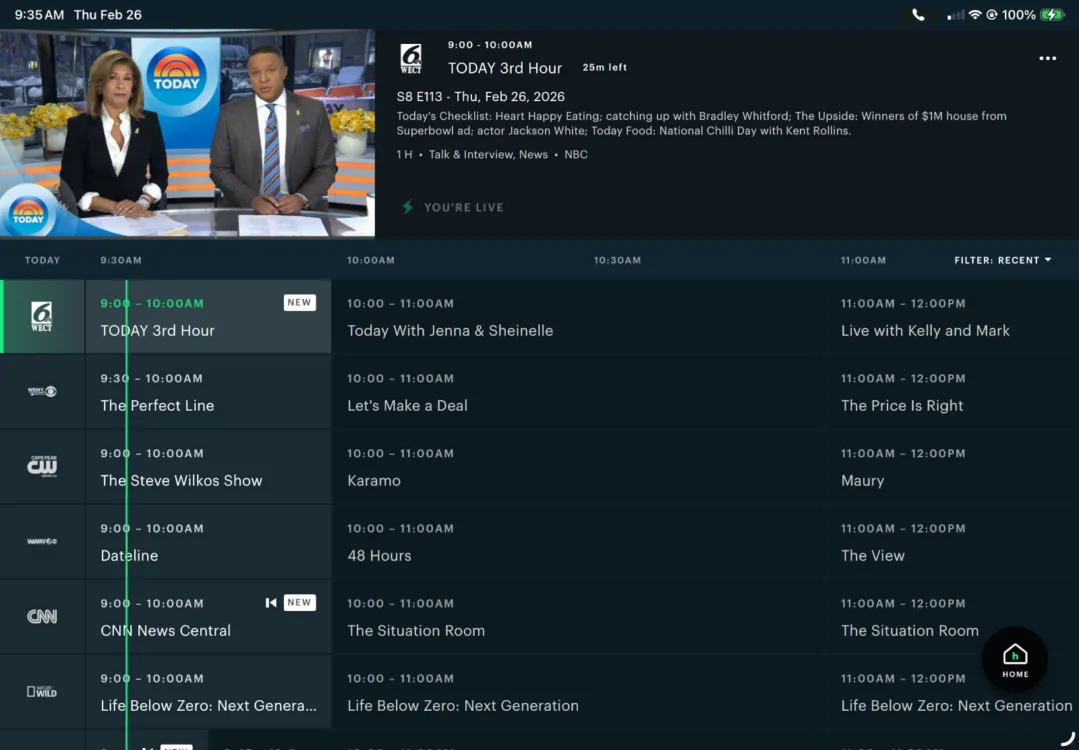
 Should you get a mobile bundle from your internet provider
When you call in to change services, there’s a good chance you’ll hear about adding mobile services to your internet bundle. In most cases, we think it’s a good idea.
First, you may be able to get one line free for a year. Even after that, you can get a line of unlimited voice and data service for monthly rates of $25 to $30. It will all work seamlessly with your home Wi-Fi, and it will save you both money and hassle.
TV bundles may be out in 2026, but mobile bundles are in.
My Take: You don’t need to pay extra for local news
It can seem like national news is all that matters these days. But if your news diet only includes national stories, you miss out on some great stuff:
- High school and college sports
- Info about local property and sales taxes
- State political stories
- Local crime and policing
- Local business news
It’s worth it to stay in the loop in your local community, but you don’t have to pay out the nose for the privilege. All you need is a good internet connection, a decent TV, a little patience, and the gumption to learn something new.